 By
By 

The Pokémon GO Tour returns each year as the game's biggest celebration, and the 2026 edition spotlights the Kalos region from Pokémon X and Pokémon Y. With three connected events spanning Taiwan, Los Angeles, and the entire planet, plus shiny debuts, brand-new Mega Evolutions, and the first Super Mega Raids, this Tour landed during a milestone year — the 30th anniversary of the Pokémon franchise and the 10-year anniversary of Pokémon GO.

This guide walks through every component of the event: dates, ticket structures, featured Pokémon, habitat schedules, the GO Pass system, in-person logistics, prep strategies, and ways to participate fully even without a ticket in hand.
What the Pokémon GO Tour Is
The Pokémon GO Tour is an annual flagship event that celebrates one specific generation each year. The series began with Kanto in 2021, then moved through Johto, Hoenn, Sinnoh, and Unova in successive years. The 2026 Tour shines the spotlight on Kalos, the Gen 6 region first introduced on the Nintendo 3DS.

Each Tour typically combines one or two in-person ticketed events with a global weekend that any trainer can join. The format gives the developers a stage to debut shiny variants, launch new Mega Evolutions, introduce mechanics, and bring back rare or legendary creatures.
For the Kalos edition, the structure expanded slightly. A week-long "Road to Kalos" prelude was added before the main weekend, revisiting every previous Tour region in turn — a nostalgic build-up that doubled as a final chance to grind earlier-generation legendaries.
The Three Kalos Tour Events at a Glance
Three distinct events make up the 2026 Pokémon GO Tour: Kalos. Understanding which is which helps when deciding what to buy, when to play, and what to prioritize.

The Tainan event runs in Taiwan from February 20 to 22, 2026, 9:00 AM to 5:00 PM GMT+8, centered at Tainan Metropolitan Park. The Los Angeles event runs the same dates, 9:00 AM to 5:00 PM PST, at the iconic Rose Bowl Stadium in Pasadena. The Global event caps everything off on February 28 and March 1, 2026, from 10:00 AM to 6:00 PM local time wherever you are in the world.

The in-person events require tickets. The Global event is free at its core, with an optional paid upgrade for trainers who want extra rewards. Between the two in-person weekends and the global finale, the Road to Kalos prelude runs from February 23 through February 27 — a five-day rewind through past Tour regions that anyone can participate in.
Pokémon GO Tour: Kalos – Global Deep Dive
The Global event is the part of the Tour that matters most to the average trainer, since it's accessible from anywhere. It anchors the entire celebration and is where the headlining shinies and Mega Evolutions become available to the wider player base.
Free vs. Ticketed Participation
No ticket is required to participate in the Pokémon GO Tour: Kalos – Global. Every trainer gets access to the rotating habitats, themed wild spawns, raid bosses, Mega debuts, and event bonuses simply by playing during the weekend.
The optional Global ticket costs $9.99 (or the equivalent in local currency). It's priced lower than usual to coincide with the 10-year anniversary, and it bundles the Masterwork Research that normally costs $4.99 on its own. Trainers who buy in get extra Special Research, exclusive bonuses, and an increased chance of encountering shiny Pokémon throughout the weekend.
Universal Bonuses
Every trainer gets the following during event hours, 10:00 AM to 6:00 PM local time on February 28 and March 1:
- Mega-Evolved Pokémon receive a CP boost.
- 1/2 Hatch Distance for Eggs placed in Incubators during the event.
- Up to 6 Special Trades per day, with 1/2 Stardust cost on trades.
- GO Tour: Kalos–themed stickers from PokéStops and Gifts.
- Chance to find Zygarde Cells on up to 25 unique Routes per day.
Ticket Holder Exclusives
Buying the Global ticket adds these on top:
- Access to the X/Y Special Research story
- Increased chance of encountering shiny Pokémon
- Increased shiny hatch rates from 2 km, 5 km, and 10 km Eggs
- One GO Snapshot surprise encounter per day — Latias on Saturday, Latios on Sunday
- Faster Mega Level progression (6 points per Mega Evolution, up to 30 per day) for Victreebel, Dragonite, and Malamar
- Masterwork Research leading to Shiny Diancie
What You Can Catch at the Kalos Tour
This is the section most trainers care about most. The Kalos Tour brings one of the most stacked lineups in recent Pokémon GO history.
Shiny Debuts
Four major shiny debuts arrive during the Kalos Tour. Shiny Diancie makes its first-ever Pokémon GO appearance through Masterwork Research that ships with the Global ticket — this research doesn't expire, so trainers can complete it on their own timeline. Shiny Honedge debuts in one-star raids during the Global event. Shiny Hawlucha and Shiny Klefki — both regionally locked species — debut from 10 km Eggs, with boosted hatch rates throughout the weekend.
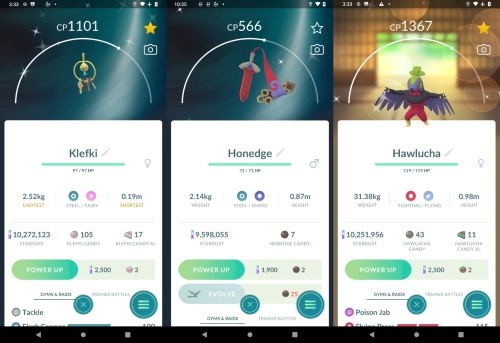
The in-person events in Los Angeles and Tainan also unlock these shinies a week early for ticket holders, giving attendees a head start before the global debut.
Costumed Pikachu

Two new costumed Pikachu join the lineup: Pikachu wearing Calem's hat and Pikachu wearing Serena's hat, nodding to the player characters from Pokémon X and Y. Both have boosted shiny rates during the event, and both can carry the X-inspired or Y-inspired Special Backgrounds.
Mega Evolution Debuts
Three brand-new Mega Evolutions arrive — all introduced in Pokémon Legends: Z-A.

Mega Victreebel and Mega Malamar debut at the in-person events first, then become globally available the following weekend. Mega Victreebel appears in Mega Raids on Saturday, February 28; Mega Malamar takes over on Sunday, March 1. Mega Dragonite joins the Global event with a worldwide debut alongside the other two.
All three serve as the headliners of a brand-new raid category: Super Mega Raids.
Super Mega Raids and Super Max Mega Level
Super Mega Raids are an entirely new raid type. They require at least eight trainers — each with a Mega Evolution in their party — to take down an exceptionally powerful Mega-Evolved boss. The three Kalos Megas can reach a new "Super Max" Mega Level, the highest tier in the system, immediately upon their debut.
Mega Level progression is significantly accelerated during the Tour, making this the best window of the year to push Victreebel, Dragonite, and Malamar through the ranks.
Xerneas or Yveltal — The X/Y Choice
Ticket-holding trainers face a meaningful decision during the Global event: the X Version or Y Version path of the "An X-ceptional Yarn" Special Research.
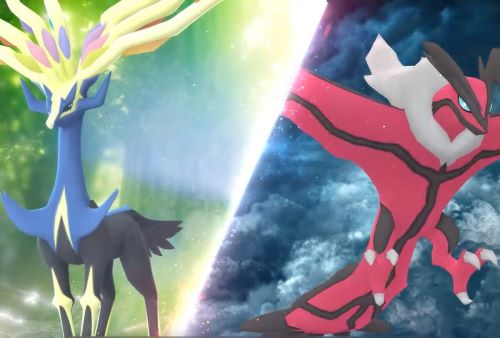
Choosing the X Version medal grants Xerneas with a Pokémon X–inspired Special Background, plus access to Unown X through Field Research. The Y Version medal grants Yveltal with a Pokémon Y–inspired Special Background, plus Unown Y.
Both Legendaries can be shiny.
Special Backgrounds Catalog
Special Backgrounds are visual collectibles that show on a Pokémon's summary page:
- X-inspired background: Pikachu (Calem's hat), Pikachu (Serena's hat), Honedge, Xerneas
- Y-inspired background: Pikachu (Calem's hat), Pikachu (Serena's hat), Honedge, Yveltal
- Mega Evolution background: any Pokémon caught from Mega Raids
- Location background: in-person attendees in Los Angeles or Tainan get a souvenir background marking where the Pokémon was caught
Habitat Rotation Schedule
The Global event uses three rotating habitats that cycle hourly across both days. Knowing the schedule helps trainers focus on the specific shinies and species they care about.
- Central Village: 10:00–11:00 AM and 2:00–3:00 PM local time
- Mountain Manor: 11:00 AM–12:00 PM and 3:00–4:00 PM local time
- Coastal Laboratory: 12:00–1:00 PM and 4:00–5:00 PM local time
- All habitats combined: 1:00–2:00 PM and 5:00–6:00 PM local time
The combined hours are prime shiny-hunting windows since every event spawn appears at once. Each habitat features its own pool of Kalos starters, regional species, Noibat, Furfrou, Eevee, and themed wild encounters.
GO Pass: Road to Kalos and GO Pass Deluxe
Alongside the Tour itself, Pokémon GO runs a parallel progression track called the GO Pass: Road to Kalos. This is a separate reward system from the event tickets — and one that brings its own decision point.
Free Track Rewards
Every trainer gets the free GO Pass automatically on February 23, 2026. By completing Pass Tasks and earning GO Points, trainers rank up through 60 tiers between February 23 and March 1.
Free track highlights include the GO Tour 2026 Tee avatar item as the first reward, an encounter with Lucario carrying a Mega Evolution–inspired Special Background, and a Scatterbug spawn boost triggered by pinning Gifts.
Daily point caps apply during the Road to Kalos prelude (February 23–27), but the cap lifts completely during the Global weekend.
GO Pass Deluxe Upgrade
The Deluxe upgrade costs $14.99, or $19.99 for the Deluxe + 10 Ranks bundle that instantly jumps the holder to Rank 11.
Deluxe adds significant rewards on top of the free track:
- Zygarde Jacket avatar item
- Hoopa Unbound encounter at the highest tier
- Lucky Egg, Zygarde Cell drops, premium avatar items
- Mega Energy for Victreebel and Malamar
- Candy XL, Premium Battle Passes, Incense, TMs, and Link Charges
- A Lucky Trinket — a new item that guarantees a Lucky Trade with any friend at Great Friends or higher
Major Milestone Tiers
Beyond the standard reward track, three Major Milestones unlock compounding bonuses:
Tier 1 (Rank 25) adds extra Candy and Candy XL when catching Pokémon in five-star, Mega, Primal, or Shadow Raids, plus doubled Candy on hatching. Tier 2 (Rank 50) boosts post-raid XP by 5,000 and doubles XP on hatching. Tier 3 (Rank 75) adds 2× Stardust on both raid completions and Egg hatches.
The recommendation for most trainers: push to Rank 25 quickly during the daily-capped days, then ride out the uncapped Global weekend to hit the higher tiers.
In-Person Event Logistics
For trainers heading to Los Angeles or Tainan, here's what to expect on the ground.
Los Angeles at Rose Bowl Stadium
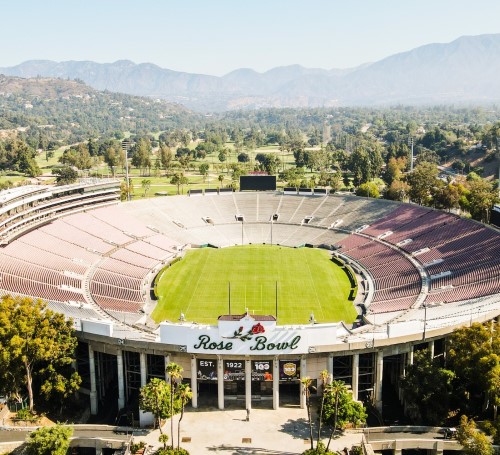
The Rose Bowl Stadium in Pasadena hosts the LA leg. One-day tickets are $30, with an early-bird price of $25 for purchases made before December 31, 2025. Tickets cover one day of event gameplay between February 20 and 22.
Three optional add-ons extend the experience:
- Raid Lover ($15): Up to 18 Raid Passes per day, plus 5,000 extra XP and additional Candy/Candy XL per raid.
- Egg-thusiast ($15): 1/4 Hatch Distance (down from the event's 1/2), triple Hatch XP/Candy/Stardust, improved 10 km Egg pool.
- Citywide Gameplay (price varies): Extends the city-wide bonuses to additional event days outside your main ticketed day.
A brand-new addition for 2026 is Mega Night, a $20 evening add-on that runs after the main event hours at the Rose Bowl and Brookside Golf Course. Mega Night features rotating Mega Raids on short Timed Research cycles, with rewards like Premium Battle Passes and Candy. It's a separate ticket — you need a primary LA ticket to add it on.
Inside the stadium, three habitats — Central Village, Mountain Manor, and Coastal Laboratory — host the themed spawns. Ticket holders choose a starting habitat at purchase, then rotate through all three during the day. Routes are not accessible inside the Rose Bowl or Brookside Golf Course, but they remain active throughout the rest of Los Angeles for Zygarde Cell collection and regional Flabébé spawns.
Practical Rose Bowl rules to know:
- Clear bag policy is enforced — bags can be no larger than 12" × 6" × 12".
- One portable battery per person, roughly phone-sized.
- Parking must be purchased in advance; the Metro A Line provides public-transit access from downtown Los Angeles.
- Bring comfortable walking shoes, sun protection, and stay hydrated.
Tainan at Tainan Metropolitan Park
The Tainan event mirrors the LA structure with localized pricing. One-day tickets run NT$818 at standard price or NT$733 for the early-bird window. Raid Lover and Egg-thusiast add-ons cost NT$350 each. The Mega Night add-on costs NT$529 and runs from 5:00 PM to 7:00 PM GMT+8.
A notable Tainan exclusive: special Furfrou PokéStops scattered throughout the park let attendees access Furfrou trims that are normally locked to specific regions of the world. This is a rare chance to collect trims outside their native zones.
Playing Without an In-Person Ticket
The Pokémon GO Tour was designed so that anyone, anywhere, can take part — but a real gap exists between what attendees experience at Rose Bowl or Tainan Metropolitan Park and what's available globally. Several practical paths help bridge it.
Path 1: Maximize the Free Global Event
The most straightforward option is to play the Global event fully on February 28 and March 1. Every habitat rotation, every Mega Raid, every themed wild spawn, and every bonus listed in the universal section above is free. For trainers focused on catching shinies, completing the Pokédex, and farming resources, the free Global event covers the vast majority of what makes the Tour valuable.
Path 2: Remote Raid Passes

Remote Raid Pass limits expand significantly during the Tour. The cap rises to 30 per day during Road to Kalos (February 23–27), and the limit is removed entirely during the Global weekend. This makes remote raiding the most efficient way to farm the new Megas, Honedge, and the returning legendaries from past Tour regions.
Path 3: Trade with Attendees
Trading is one of the most underrated strategies. Region-locked Hawlucha and Klefki, regional Flabébé variants, and any rare catches from the in-person events can be traded with friends who attended. With six Special Trades per day at half Stardust cost, this is also the best Lucky Trade window of the year.
Path 4: Friend Invites for In-Person Raids
Coordinated raid groups on Discord and platforms like PokéRaid let trainers join raids hosted by in-person attendees. This grants access to event Mega Raids and the chance at Special Backgrounds from the in-person experience without leaving home.
Path 5: GPS Location Tools
Some trainers turn to GPS location-changing software to explore event spawns from their own homes. This approach exists in a gray area — Niantic's Terms of Service disallow location manipulation, and the system enforces a cooldown timer that issues a soft ban when trainers teleport long distances and immediately try to catch Pokémon, spin stops, or join raids. Cooldown windows scale by distance and top out around two hours for jumps over 1,350 km. Ignoring the timer is the fastest way to trigger penalties.
For those who do use location-changing tools, the practical considerations are well known: avoid jailbreaking or rooting (both create security risks beyond the game), respect the cooldown window after every teleport, simulate realistic movement rather than instant catches, and never use a tool you can't fully reverse.

Tools like PoKeep Location Changer are built around these concerns. PoKeep runs on Windows and macOS, connects to iOS or Android without requiring jailbreak or root, and includes a built-in 360° GPS joystick for natural in-game movement.


Its cooldown timer is the most relevant feature for Tour-time gameplay — it tracks the distance between actions and counts down to when the next interaction is safe, which directly addresses the soft-ban issue that catches most casual spoofers off guard. The app supports up to 25 separate free trial uses, which is more headroom than most competing tools offer, and any location change is fully reversible by restarting the device. PoKeep is compatible with the latest iOS 27 and Android 17.

Whatever path a remote trainer chooses, the underlying lesson is the same: rushing past the cooldown rules is what ends accounts, not the act of remote participation itself.
Frequently Asked Questions
Where is the Pokémon GO Tour 2026?
The in-person events take place at Tainan Metropolitan Park in Taiwan and Rose Bowl Stadium in Pasadena, California, both running February 20–22, 2026. The Global event runs worldwide on February 28 and March 1, 2026.
How much does the Pokémon GO Tour 2026 cost?
The Global event is free. The optional Global ticket is $9.99 and includes Masterwork Research for Shiny Diancie. In-person tickets are $30 in Los Angeles ($25 early bird) and NT$818 in Tainan (NT$733 early bird). The GO Pass Deluxe upgrade is $14.99 separately.
What will be the next Pokémon GO Tour?
The Pokémon GO Tour series has rotated through Kanto, Johto, Hoenn, Sinnoh, Unova, and now Kalos. The next region is not yet officially announced, though future Tours typically arrive each February near Pokémon Day.
Will there be a Pokémon GO Fest in 2026?
Yes. Pokémon GO Fest is a separate event series from the Tour. The 2026 GO Fest schedule has included Tokyo and Paris confirmations, with additional dates announced through Niantic and Scopely channels. Check the official Pokémon GO site for the latest GO Fest 2026 details.
Does Masterwork Research for Shiny Diancie expire?
No. Masterwork Research is designed to be completed over a long period of time. Trainers who buy the Global ticket can complete it on their own pace, well after the event ends.
Can free players catch Shiny Diancie?
Shiny Diancie is locked behind the Masterwork Research that comes with the $9.99 Global ticket. Free players can encounter regular event Pokémon and the other shiny debuts (Honedge, Hawlucha, Klefki) without a ticket.
Is the GO Pass Deluxe worth $14.99?
For trainers who plan to play actively during the Tour weekend, complete daily tasks, and use the avatar items, Deluxe offers strong value through the Hoopa Unbound encounter, Lucky Trinket, premium items, and tier-3 bonus stacking. Casual players who only log in for a few hours likely get more value from the free track alone.
 Related Articles







 Leave Your Comment