 By
By 

Have you ever walked past a hollow log, a magnetic bolt on a park bench, or a camouflaged birdhouse and wondered if it held a secret? Welcome to the world of Geocaching, a global, real-world outdoor treasure hunt powered by GPS technology.
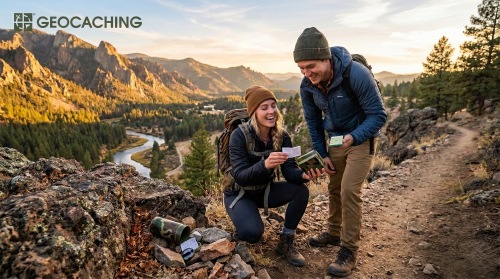
Whether you are looking for a weekend family adventure or a high-tech way to explore your city, this guide will show you everything you need to know to find your first cache.
Geocaching Meaning & How it Works
At its core, geocaching is an outdoor recreational activity where participants use a Global Positioning System (GPS) receiver or a mobile device to hide and seek containers, called "geocaches" or "caches".
The game began in 2000 and has since grown into a massive community with millions of active players and over 3 million caches hidden in 191 different countries.
How It Works:
- The Coordinates: A "cache owner" hides a waterproof container and notes its exact GPS coordinates.
- The Hunt: These coordinates, along with a description and hints, are posted online at Geocaching.com.
- The Find: Seekers use their phone's GPS to navigate to the location. Once found, they sign the logbook and share their experience online.
How to Get Started: Apps and Finding "Geocaching Near Me"
Getting started is surprisingly simple and, in most cases, completely free.
Step 1. Create an Account: Visit Geocaching.com or download the official Geocaching app to set up your free profile.
Step 2. Open the Map: The app will automatically show a geocaching map of your current area. You’ll likely find hundreds of "geocaches near me" in local parks, urban centers, and hiking trails.
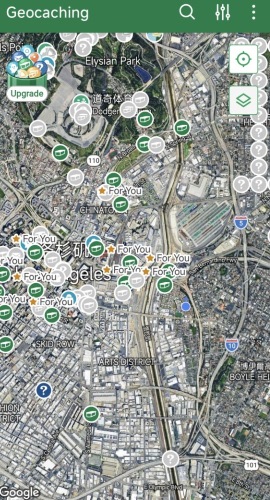
Step 3. Choose a Cache: Beginners should look for "Traditional Caches" (green icons) with a low difficulty rating.
The Rules of Geocaching
Geocaching relies on a community code of honor to keep the game fun and sustainable. Here are the simple rules to follow once you've spotted the container:
1. Sign the Logbook
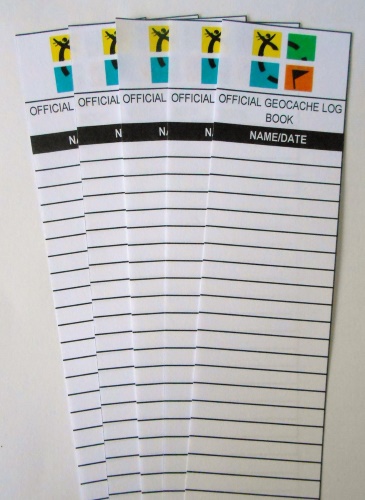
Every cache contains a paper logbook. BYOP (Bring Your Own Pen) is the number one rule of geocaching, as some containers are too small to hold a pencil.
2. Trade the SWAG
Many caches contain "SWAG" (Stuff We All Get)—small trinkets like keychains, toys, or coins. If you take a piece of SWAG, you must leave something of equal or greater value for the next person.
3. Log Your Find Online
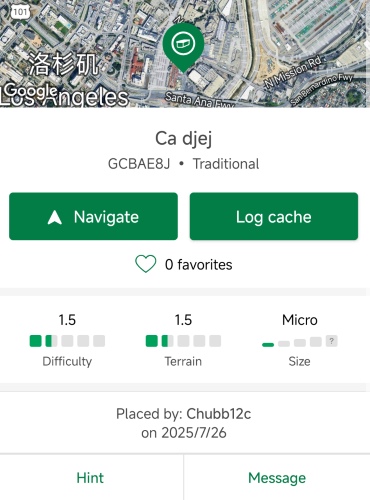
Post a comment in the app to let the owner know the cache is in good condition. Use common acronyms like TFTC (Thanks For The Cache).
4. Beware of "Muggles"
In geocaching, a "Muggle" is a non-player. To prevent caches from being stolen or destroyed, you must be "stealthy" when retrieving and replacing the container so Muggles don't see what you're doing.
Packing Your Geocaching Toolbox
To be a successful "cacher", you need more than just a phone. A well-prepared geocaching toolbox often includes:
Physical Tools: A pen, spare batteries, tweezers (for "nano" caches), and a flashlight.
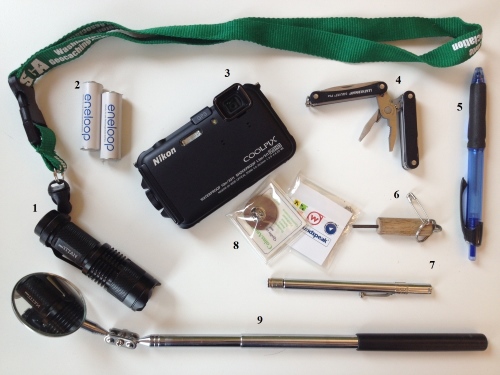
The Digital Toolbox: Besides the official app, experienced players use tools for coordinate conversion, waypoint projection, and GPX file management.
Geocaching: Free vs. Premium
When you first download the Geocaching app, you are automatically enrolled as a Basic member. While this is a fantastic way to test the waters, the experience differs significantly between the free and paid versions, especially regarding what you can see on your smartphone screen.
Basic Membership (Free)
The free version is designed for beginners and casual weekend explorers who want to find their first few treasures without any financial commitment. On the official mobile app, Basic members are limited to "Traditional" geocaches that have a difficulty and terrain rating of 2.0 or lower. This means many of the more creative, high-difficulty, or multi-stage caches will appear grayed out or hidden on your mobile map.
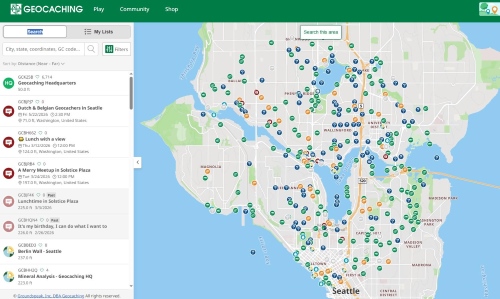
However, a well-known community secret is that the Geocaching.com website is much less restrictive than the app. If you log in through a web browser, you can view the coordinates for many non-premium caches that are hidden on the app. While this requires a bit more manual work—like printing maps or entering coordinates into a handheld GPS—it allows dedicated free players to enjoy a wider range of the game.
Premium Membership (Paid)
A Premium membership currently costs approximately $39.99 per year and is widely considered the "full" version of the game. Upgrading instantly populates your mobile map with every available cache type, including Mystery puzzles, Multi-Caches, and Virtuals. It also unlocks "Premium-Only" caches, which are often high-quality hides maintained by veteran players who want to ensure their containers are found by serious enthusiasts.
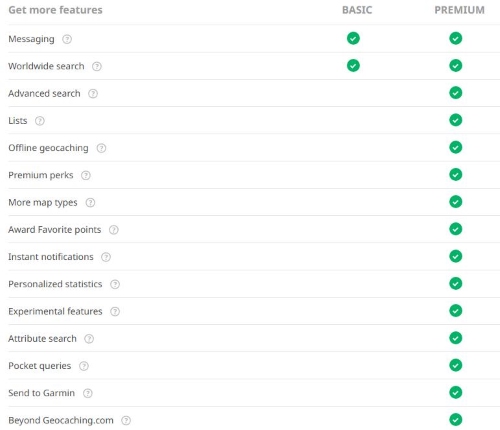
Beyond just seeing more icons, Premium members gain access to essential adventure tools like offline maps for areas with no cell service and "Favorite Points" to reward great hides. You can also set up instant notifications to be alerted the moment a new cache is hidden in your area. This is the only way to compete for the "First to Find" (FTF) honors, a highly respected achievement in the global community.
Overcoming Limits: Virtual Caches, GPX Routes, and LBS Games
While geocaching is an outdoor sport, sometimes physical limits—like bad weather, living in a rural area with no caches, or wanting to explore Virtual Caches at the North Pole or Paris—get in the way.

This is where advanced digital tools like the PoKeep Location Changer come into play as a vital part of your digital toolbox. PoKeep allows you to:
- Explore Virtual & EarthCaches: Many caches have no physical container and only require you to visit a site and answer questions. PoKeep lets you "teleport" to these global landmarks from your desk.
- Master GPX Routes: You can import community GPX files directly into PoKeep to plan and simulate your hiking routes before you even leave the house.
- 360° GPS Joystick: If you play other Location-Based Services (LBS) games like Pokémon GO or Monster Hunter Now, you can use PoKeep’s joystick mode to move naturally in-game without having to step out into the rain.
PoKeep supports both iOS and Android, making it a versatile companion for the modern digital explorer who wants to bypass geo-restrictions and explore the world's most remote caches safely.


FAQs about Geocaching
Does geocaching cost money?
No, the basic game is free. However, a "Premium" membership is available to unlock advanced cache types and offline maps.
Is there ever money in geocaching?
Rarely. While you might find a "geocoin" or a rare trackable item, geocaching is about the adventure of the find, not financial gain.
What happens if a geocache is missing?
If you search thoroughly and cannot find the container, you should log a DNF (Did Not Find). If you suspect the cache has been stolen or destroyed (known as being "muggled"), you can post a "Needs Maintenance" log to alert the owner.
Can I hide my own geocache right away?
While anyone can hide a cache, it is highly recommended that you find at least 20 different types of caches first. This ensures you understand what makes a good, sustainable hide. You must also submit your coordinates to a community volunteer reviewer for approval before it goes live.
Are geocaches hidden on private property?
The rules state that caches should only be placed with the permission of the landowner. Many are in public parks or on trails, but if a cache is on private land, the description will usually indicate that permission has been granted. Always respect "No Trespassing" signs.
What is a "Nano" cache?
A Nano is the smallest category of geocache, often no larger than the tip of your finger. These are usually magnetic and contain only a tiny, tightly rolled strip of paper for a logbook. They are common in urban environments where larger containers would be too obvious.
Can children participate in geocaching?
Absolutely! Geocaching is an excellent family activity. It encourages kids to explore the outdoors, learn about navigation, and enjoy the thrill of discovering "treasure." Look for caches with a large container size, as these are more likely to contain toys (SWAG) for trading.
Is geocaching dangerous?
Like any outdoor activity, it has risks. Caches can be hidden in rocky terrain, near water, or in areas with wildlife. Always check the "Attributes" on the cache page (which warn of things like thorns, steep climbs, or ticks) and the difficulty/terrain (D/T) ratings before you head out.
 Related Articles







 Leave Your Comment