 By
By 

Getting a Lucky Pokémon in Pokémon GO can feel like a small jackpot—especially when it happens to a Legendary, shiny, rare raid attacker, or a Pokémon you have been saving for years. But the real value is not just the golden background. A Lucky Pokémon can save a huge amount of Stardust, improve the odds of getting strong IVs, and make expensive power-ups feel much less painful.

That also makes Lucky Trades easy to waste. Trade the wrong Pokémon, misunderstand Lucky Friends, or use an old Pokémon without knowing the current guaranteed Lucky Trade rules, and you may lose a valuable opportunity. This guide breaks down what Lucky Pokémon do, how lucky trade chances work, which Pokémon are worth trading, and how to prepare better trade candidates in Pokémon GO.
What Is a Lucky Pokémon in Pokémon GO?
A Lucky Pokémon is a special Pokémon that can appear after trading with another Trainer. When a trade turns lucky, both traded Pokémon become Lucky Pokémon, giving them a distinctive shimmering appearance in the Pokédex and on the Pokémon Summary page. Lucky Pokémon are also more likely to be strong battle candidates and require less Stardust to power up.
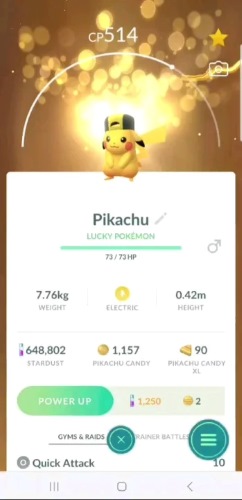
The easiest way to understand the lucky pokemon meaning is this: Lucky Pokémon are trade-born Pokémon with better long-term upgrade value. They do not come from wild catches, raids, eggs, or research encounters directly. They become Lucky only through Pokémon GO trading mechanics.
The Lucky Pokémon IV floor is 12/12/12, which means each of Attack, Defense, and HP is expected to be at least 12 after the trade result becomes Lucky. That does not guarantee a perfect 15/15/15 hundo Pokémon, but it gives every Lucky Pokémon a much stronger starting point than a normal random trade.
Lucky Pokémon Benefits: Why Players Want Them
The biggest Lucky Pokémon benefit is the reduced Stardust cost. Powering up Pokémon is one of the most expensive long-term investments in Pokémon GO, especially for Legendaries, Master League Pokémon, shadow alternatives, and high-level raid attackers. A Lucky Pokémon cuts that pressure by requiring less Stardust to power up.
This is why Lucky Pokémon are especially valuable for Pokémon you plan to use for months or years. A random Lucky Pidgey may look nice in storage, but a Lucky Mewtwo, Kyogre, Groudon, Rayquaza, Dialga, Reshiram, Zekrom, Necrozma, or other high-value attacker can save resources while still giving you a strong IV base.
Lucky Pokémon also have collection value. Their gold background makes them stand out, and Pokémon GO supports inventory search terms such as lucky to help Trainers quickly find Lucky Pokémon in storage.
Are Lucky Pokémon Better Than Normal Pokémon?
Lucky Pokémon can be better than normal Pokémon, but they are not automatically better in every situation. A Lucky Pokémon does not receive a secret damage bonus just because it is Lucky. Its practical value comes from the combination of strong IV potential and cheaper power-ups.
For PvE raids, Lucky Pokémon are usually worth considering when the species is already a top attacker. A Lucky Reshiram, Zekrom, Kyogre, Groudon, Rayquaza, Terrakion, Kartana, or similar raid-focused Pokémon can be a smart investment because you are likely to power it up anyway.

For PvP, the answer is more complicated. Master League often rewards high IVs, so Lucky Pokémon can be excellent there. Great League and Ultra League sometimes prefer lower Attack IV spreads, so a Lucky Pokémon with a 12/12/12 floor may not always be ideal. Before powering up a Lucky Pokémon for PvP, check whether that species performs better with high IVs or specialized league IVs.
How to Get Lucky Pokémon Through Trades
Lucky Pokémon come from trades, and normal trades can randomly become Lucky Trades. The longer a Pokémon has been in a Trainer’s collection, the better the chance that it can become Lucky when traded.
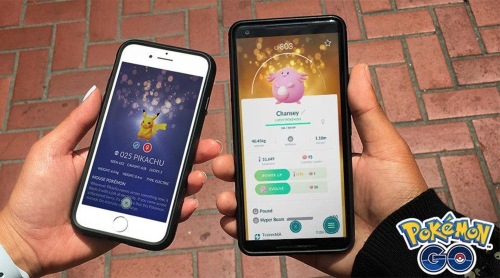
Step 1. Choose a Pokémon you are willing to trade away. Remember that traded Pokémon cannot simply keep their exact original stats. During a trade, CP, HP, and other stats can change, and the game shows a possible range before confirmation.
Step 2. Trade with a friend. If the trade turns lucky, both Pokémon become Lucky Pokémon. If it does not, both Pokémon remain normal traded Pokémon.
Step 3. Check the result before investing. Even with a Lucky Pokémon IV floor, you should still appraise the Pokémon, check its moveset, and decide whether it fits raids, Master League, collection goals, or future events.
This is why trading a perfect IV Pokémon is usually risky. Trading rerolls stats, so even a strong Pokémon can come back with worse IVs unless the trade becomes Lucky and rolls well.
Lucky Pokémon GO Chance: What Affects the Odds?
Lucky Pokémon GO chance is affected by Pokémon age. Older Pokémon have a better chance of becoming Lucky in a trade, which is why long-time players often keep old catches instead of transferring everything from previous years.
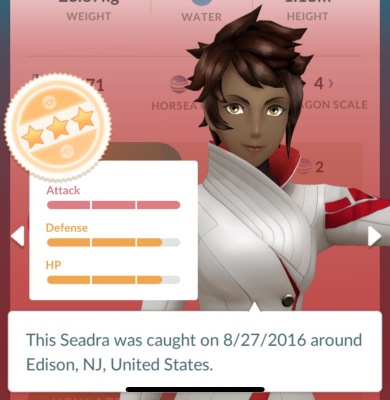
Pokémon GO Official confirms the age-based mechanic, but it does not publish a complete public odds table. Community-maintained Pokémon GO resources commonly describe the base lucky trade chance as around 5%, with better odds as the traded Pokémon gets older. Treat exact percentages as estimates unless they appear in current official event details.
A smart lucky trade strategy is to sort your Pokémon by age before cleaning your storage. Older Pokémon may be more valuable as trade assets than as extra Candy, especially if they are rare, shiny, Legendary, event-exclusive, or useful for battle.
Guaranteed Lucky Trade Pokémon GO Rules
Guaranteed Lucky Trades are one of the most important mechanics to understand before trading older Pokémon. Pokémon GO’s New Year’s 2026 update permanently increased the guaranteed Lucky Pokémon trade limit from 35 to 45. Beginning with that event, trading a Pokémon that has been in a Trainer’s Pokémon storage since 2020 can guarantee a Lucky Pokémon until the limit is reached.
This makes older Pokémon from 2020 or earlier especially valuable. If you or your friend still have eligible Pokémon and have not reached the guaranteed Lucky Trade limit, those old catches can become powerful trade resources rather than storage clutter.
The safest approach is to use guaranteed Lucky Trades only on Pokémon that deserve the opportunity. Do not burn a guaranteed lucky trade on something you would never power up, never use, and never keep. Save it for a Pokémon with real value: a Legendary, a rare shiny, a strong raid attacker, or a Pokémon that would otherwise cost a lot of Stardust to build.
Lucky Friends Pokémon GO: How It Works
Lucky Friends is a special friendship status that can happen after two Trainers become Best Friends. Once two Trainers are Best Friends, later friendship interactions have a small chance to make them Lucky Friends. When two Trainers are Lucky Friends, their next completed trade together guarantees that both traded Pokémon become Lucky Pokémon.
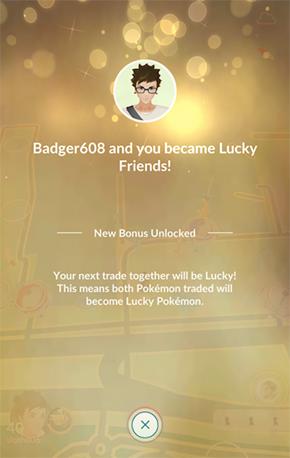
After the Lucky Trade is completed, the Lucky Friend status is cleared. You can become Lucky Friends with the same Trainer again later through future friendship interactions.
This is why Lucky Friends should be treated like a premium trade opportunity. Before confirming the trade, both Trainers should agree on Pokémon that are worth making Lucky. A rushed Lucky Friend trade can turn into regret if one side sends a low-value Pokémon while the other expected a Legendary or shiny swap.
Best Ways to Trigger Lucky Friends
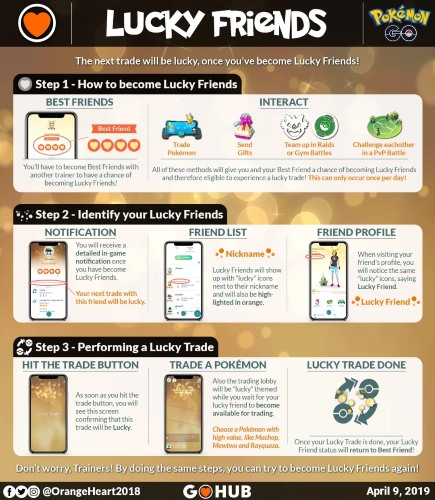
The practical strategy is straightforward. Keep interacting with Best Friends through gifts, raids, battles, trades, or other eligible friendship actions. Use Lucky Friends for Pokémon that both sides genuinely want.
Lucky Friends are especially useful for Special Trades. Legendary Pokémon, shiny Pokémon, and unregistered Pokémon can cost more Stardust to trade, so planning ahead helps both players avoid wasting resources.
Lucky Pokémon vs Lucky Egg vs Lucky Trinket
Pokémon GO uses the word “Lucky” in several different ways, and mixing them up can lead to bad decisions.
A Lucky Pokémon is the result of a trade. It has the Lucky appearance, reduced Stardust power-up cost, and strong IV potential. A Lucky Friend is a friend status that guarantees the next trade between two Trainers becomes Lucky. A Lucky Egg is an XP-boosting item and does not make Pokémon lucky.

The Lucky Trinket is different again. It is a one-time-use item that can turn a selected friend into a Lucky Friend, and it only stays in the Item Bag for a limited time.
This distinction matters because using a Lucky Egg will not improve lucky trade chances. If your goal is a Lucky Pokémon, you need trading mechanics, Lucky Friends, a Lucky Trinket, or an eligible guaranteed lucky trade—not XP items.
How PoKeep Helps You Prepare Better Lucky Trades
PoKeep Location Changer does not directly create Lucky Pokémon, change lucky trade odds, or bypass Pokémon GO’s Lucky Friend mechanics. Lucky Pokémon still come from trades. The real value of PoKeep is helping Pokémon GO players prepare better trade candidates by exploring more efficiently, planning routes, and reaching more gameplay opportunities.


PoKeep supports changing GPS location on iPhone and Android without jailbreak or root, and it is positioned for location-based games such as Pokémon GO. Its Pokémon GO-focused features include a 360° GPS Joystick, custom movement speed, cooldown timer, route movement modes, and teleport-style movement options.

That makes PoKeep useful in the preparation phase. Before you trade, you need Pokémon worth trading: rare spawns, event Pokémon, raid catches, region-specific targets, high-CP candidates, shiny catches, and extra Legendaries from raid sessions. Check the Pokémon GO events calendar to see when Community Days, seasonal bonuses, and limited spawns are live so you can farm trade candidates at the right time. PoKeep can help players explore different areas, simulate walking routes, revisit productive locations, and manage movement more smoothly while staying mindful of cooldown behavior.
FAQs About Lucky Pokémon
Are Lucky Pokémon permanent?
Yes, once a Pokémon becomes Lucky through a completed trade, it remains a Lucky Pokémon in normal gameplay. You can identify it by its Lucky appearance and by searching lucky in Pokémon storage.
What does having a Lucky Pokémon do?
A Lucky Pokémon requires less Stardust to power up, has strong IV potential, and displays a special shimmering effect in the Pokémon Summary page and Pokédex.
Are Lucky Pokémon always 100 IV?
No. Lucky Pokémon are not guaranteed to be perfect. Community Pokémon GO resources commonly describe the IV floor as 12/12/12, which means a Lucky Pokémon has a strong minimum stat baseline but still needs a good roll to become 15/15/15.
Can you get Lucky Pokémon without trading?
No, Lucky Pokémon are tied to trading. You can prepare better Pokémon to trade through catching, raiding, events, and exploration, but the Lucky result happens through the trade system.
What is the best Pokémon for Lucky Trade?
The best Pokémon for Lucky Trade is one you would actually power up or keep long term. Prioritize Legendaries, rare raid attackers, Master League Pokémon, rare shinies, and Pokémon with expensive Stardust requirements.
Does Lucky Egg help with Lucky Pokémon?
No. Lucky Egg boosts XP and does not increase lucky trade odds. Lucky Pokémon come from trades, Lucky Friends, Lucky Trinkets, or eligible guaranteed Lucky Trade conditions.
Can Lucky Friends trade remotely?
Remote Trading rules now allow a Lucky Trade to apply remotely when Lucky Friends are also Forever Friends. Remote Trades follow their own rules, so always check current in-game conditions before planning a long-distance lucky trade.
Final Thoughts on Lucky Pokémon in Pokémon GO
Lucky Pokémon are one of the best ways to turn trading into long-term value. They save Stardust, offer strong IV potential, and make rare Pokémon feel more rewarding to build. The smartest players do not just chase any Lucky Pokémon—they save old catches, manage Lucky Friends carefully, and choose trade targets that are worth powering up.
If you want better Lucky Pokémon, start before the trade. Build a stronger inventory, keep useful older Pokémon, coordinate with Best Friends, and save guaranteed opportunities for Pokémon that matter. Tools like PoKeep can support that preparation by helping you explore Pokémon GO locations, plan routes, and collect better trade candidates—but the final Lucky result still depends on Pokémon GO’s trade mechanics and smart decision-making.
 Related Articles






 Leave Your Comment