 By



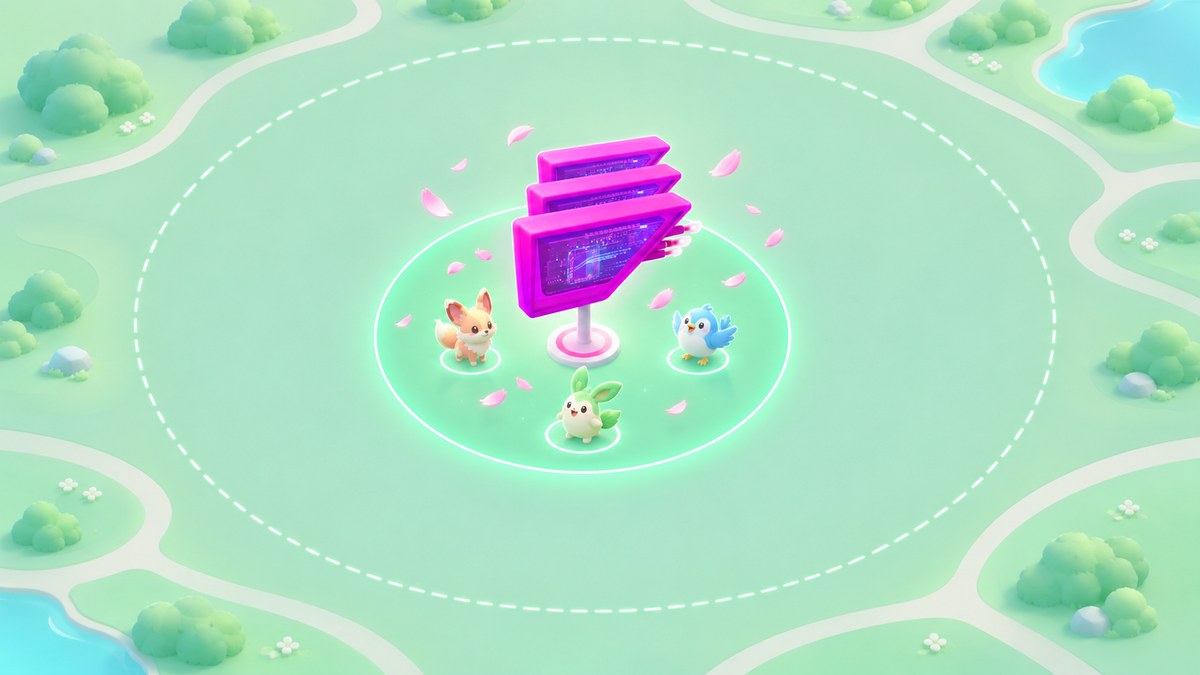
Your avatar reaches the PokéStop, the petals start spinning, and almost nothing appears on the map. The module is working, but the circle that spawns Pokémon is smaller than the circle that lets you install it.
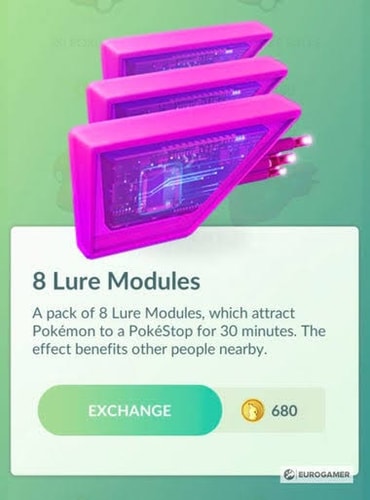
A Lure Module adds wild Pokémon around one PokéStop for 30 minutes, and every Trainer in range sees the same spawns. The type you pick decides what you get: general spawns, a themed pool, an evolution, or Gimmighoul Coins.
What a Pokémon GO Lure Module Does
A Lure Module is installed in a PokéStop’s module slot, and the effect belongs to the stop rather than to the Trainer who placed it. It lasts for 30 minutes under normal circumstances, and it benefits you and other Trainers nearby. The name of whoever spent the item stays visible on the stop, so other players can see who set the habitat up. I went back over the official rules while updating this page, and they still give no spawn interval, no radius and no count per activation, which is why the numbers later are labelled as player measurements.
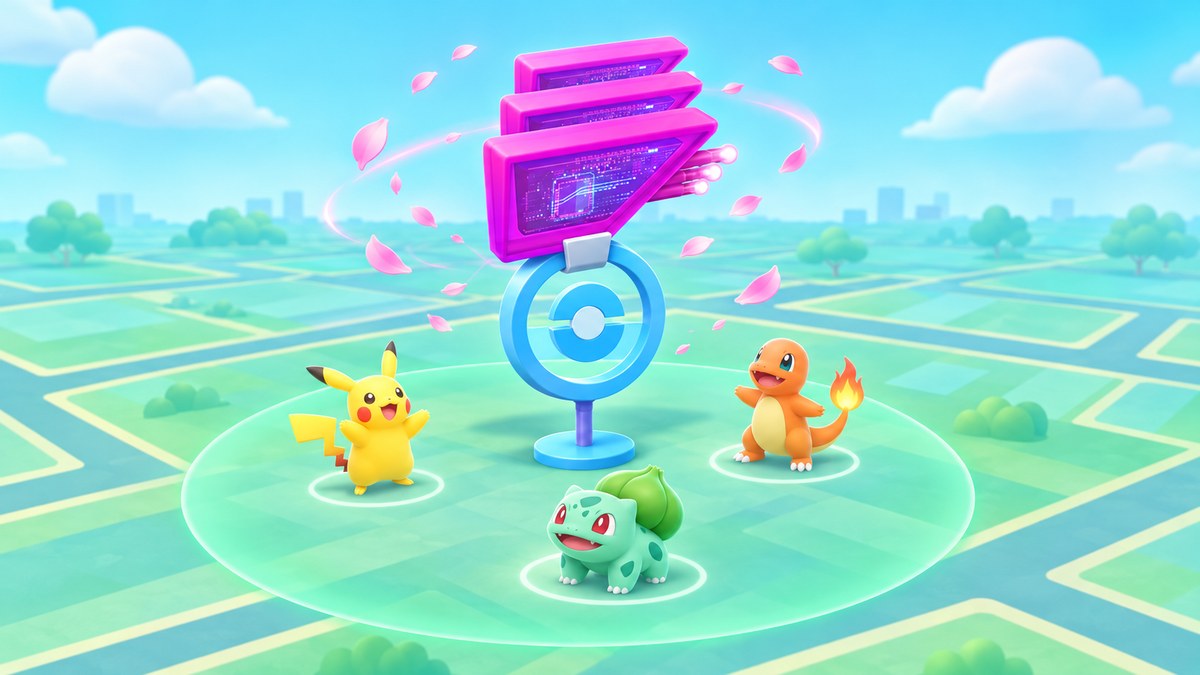
Installing one needs Trainer Level 6, and a stop holds a single module at a time. A second Lure has to wait for the first timer to finish, so two players cannot stack modules on the same PokéStop and double the effect.
What a lure does not do is pull Pokémon to your Trainer. It adds encounters around the stop over time, so you still have to catch them and you still have to stand inside the smaller circle where they appear, which is the difference that catches people out during their first activation.
Which Pokémon GO Lure Module Fits Your Goal
There are six modules, and they differ in the type pool they bias, the evolution they unlock, and what they cost. The table compares what each one actually provides before the notes below explain where that difference changes your decision.
| Lure Module | Attracts | Evolution it enables | Cost |
|---|---|---|---|
| Regular | Current wild pool | None | 100, or 680 for eight |
| Glacial | Water and Ice types | Eevee to Glaceon, Crabrawler to Crabominable | About 180 |
| Mossy | Bug, Grass and Poison types | Eevee to Leafeon | About 180 |
| Magnetic | Electric, Steel and Rock types | Magneton to Magnezone, Nosepass to Probopass, Charjabug to Vikavolt | About 180 |
| Rainy | Water, Bug and Electric types | Sliggoo to Goodra, in both forms | About 180 |
| Golden | Season spawns plus Roaming Gimmighoul | None, but it drops Gimmighoul Coins | Not sold; five Postcards |
Regular Lure Module
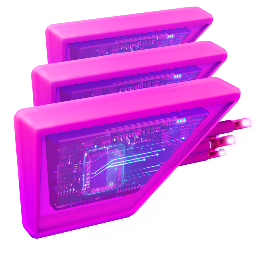
A regular Lure uses the current wild pool instead of one narrowed by type, which makes it the default choice for candy, Stardust and Shiny hunting during a featured event. I keep mine for a Community Day or Spotlight Hour rather than a random afternoon, because the featured species can replace that pool outright.
Glacial Lure Module
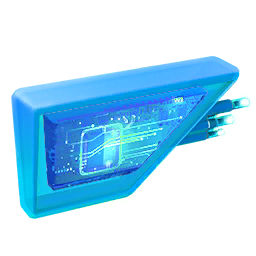
The Glacial habitat favors Water and Ice types and unlocks both Eevee to Glaceon and Crabrawler to Crabominable. If Glaceon is the only thing you need, check whether the Eevee name trick is still unused on your account first, since that route costs no Coins at all and works once per name.
Mossy Lure Module
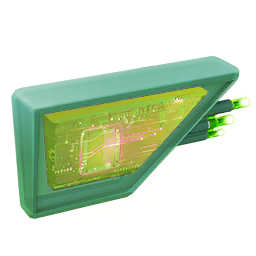
Mossy leans toward Bug, Grass and Poison types and unlocks Leafeon. Apples around Mossy Lures are an event bonus rather than a permanent property, because the game added tappable apples there during Sweet Discoveries in April 2025 and brought the bonus back in later events; check the current event notes before planning an Applin session around one.
Magnetic Lure Module
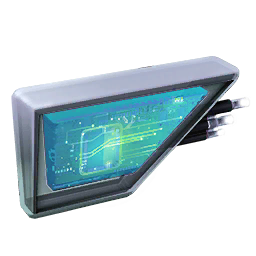
The Magnetic habitat covers Electric, Steel and Rock types and unlocks three separate evolutions, more than any other module. That makes it the one Lure worth preparing several Pokémon for, since the timer keeps running while you scroll through storage looking for a Nosepass.
Rainy Lure Module
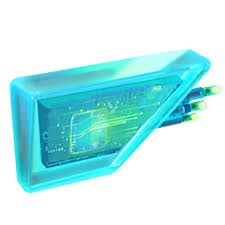
A Rainy Lure favors Water, Bug and Electric types and replaces the rain requirement for Goodra, which matters in dry regions where in-game rain may not appear for weeks. The same module covers the Hisuian form, so both Sliggoo variants can evolve under one habitat instead of two separate weather windows.
Golden Lure Module
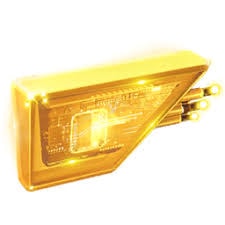
The Golden Lure turns its stop into a Golden PokéStop, keeps the current Season’s spawns, and occasionally adds Roaming Form Gimmighoul. It is not sold in the shop and you can hold only one, so its real product is Gimmighoul Coins rather than a type pool.
Every Pokémon GO Lure Module Evolution
Six species families currently evolve near a Special Lure, and because Eevee and Sliggoo each have two results the list runs to eight paths. Candy comes from the family you already collect for that species, so the numbers below are the same ones on the evolution screen.
| Lure Module | Evolution | Candy | Condition |
|---|---|---|---|
| Glacial | Eevee to Glaceon | 25 | Lure active |
| Glacial | Crabrawler to Crabominable | 50 | Lure active |
| Mossy | Eevee to Leafeon | 25 | Lure active |
| Magnetic | Magneton to Magnezone | 100 | Lure active |
| Magnetic | Nosepass to Probopass | 50 | Lure active |
| Magnetic | Charjabug to Vikavolt | 100 | Lure active |
| Rainy | Sliggoo to Goodra | 100 | Lure active, or rain |
| Rainy | Hisuian Sliggoo to Hisuian Goodra | 100 | Lure active, or rain |
The evolution option only appears while the module is running and you are close enough to interact with that stop. The 2019 announcement that introduced the Special Lures described the condition as being in range and able to spin the Photo Disc, which is why the button can stay hidden when you are just outside the interaction circle.
Step 1. Walk until the lured PokéStop opens and its Photo Disc is spinnable.
Step 2. Check your Candy count in the Pokémon list before you open anything, so the timer does not run out during a search.
Step 3. Open the Pokémon and read the evolution button, which should name the form you expect rather than showing a question mark.
Step 4. Confirm the evolution while the habitat is still active.
Eevee is the one to slow down for, because its button shows a question mark when the game has not registered the Lure, and continuing that way gives you one of the random original three instead. Move closer to the stop, return to the map, and reopen the detail page until the button shows Glaceon or Leafeon; our Eevee evolution guide covers the same checks for the other forms.
One module can carry several evolutions if you queue them up before the timer starts. Magnetic Lures are the obvious case, since a single activation can clear Magneton, Nosepass and Charjabug one after another while the habitat is still on the stop.
How to Use a Lure Module in Pokémon GO
Installing one takes four taps, and the timer starts the moment you confirm, so the preparation matters more than the tap. I would spend a couple of minutes on that prep before opening the stop.
Step 1. Open a PokéStop you can interact with and tap the module slot above the Photo Disc.
Step 2. Choose the module from your bag; the Special Lures are separate items with their own icons and colours.
Step 3. Confirm the installation and watch for the petals, which mark the stop as lured for everyone nearby.
Step 4. Stay inside the spawn circle and catch what appears, because each lure spawn leaves the map after a few minutes.
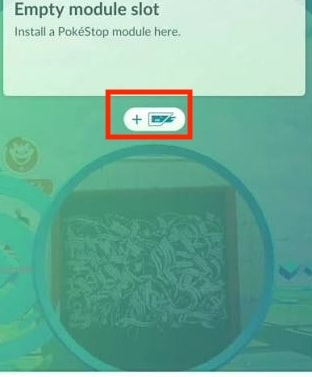
Before you tap, clear Pokémon storage, restock Poké Balls and Pinap Berries, and line up every Pokémon you plan to evolve. It also pays to read the event bonus list on the same day, since a one-hour duration is a very different budget from the standard half hour.
Why Your Lure Module Shows Nothing
The most common answer is distance, and the game’s interface makes it hard to see because both circles look identical on the map. You can be close enough to open the stop, spin it and even evolve a Pokémon, and still be too far away to catch a single lured spawn.
 Note:
You can install, spin and evolve at a lured stop from about 80 meters away, but its spawns only appear within roughly 40 meters. Players have measured both distances; the game publishes neither figure. Standing between the two is the usual reason a lure looks empty.
Timing explains the rest, and none of it is official. I never found a published spawn interval, so the numbers below come from players who timed their own lures: a regular Lure runs at about one spawn every three minutes, a Special Lure at roughly ninety seconds, and an event-boosted Lure at forty-five to sixty seconds, which works out to around ten spawns across a normal activation.
Each of those spawns stays on the map for about three minutes, so the interval and the lifetime roughly cancel out and you usually see one Pokémon at a time instead of a pile. A lure that looks quiet for two minutes is behaving as expected, not failing.
Keep the game open while the module runs. Spawns are delivered to the map around the stop, and a phone in your pocket does not collect them; if you close the app for ten minutes, those encounters are simply gone. Walking a short loop inside the circle is enough, because a lure does not need, or reward, movement.
The rest of the failures are cheap to rule out. A lure cannot go on a Gym, and a module someone else placed still benefits you as long as you are standing in the right circle. If the petals are visible and the map stays bare, check distance first and the event’s spawn pool second.
How Long Does a Lure Module Last in Pokémon GO
The base duration is 30 minutes, and the official wording hedges with “under normal circumstances” because events override it. Golden Lures are the exception that events leave alone.
| Event | Date | Lure duration | What else changed |
|---|---|---|---|
| Community Day: Frigibax | 20 June 2026 | 1 hour | Incense ran 3 hours and lured Frigibax kept the boosted Shiny chance |
| Community Day: Pawniard | 21 November 2026 | 1 hour | Featured species appeared at regular Lures with boosted Shiny odds |
| GO Wild Area: Global | 14–15 November 2026 | 2 hours | Listed among the free bonuses for every Trainer |
Do not carry a duration from one event to the next. The Frigibax Community Day page sets the lure timer, the Incense timer and the Shiny rule in one announcement, and our Community Day guide keeps the current dates and bonuses in one place, so check those before you plan a lure session.
How to Get Lure Modules in Pokémon GO
Regular Lures are cheap and easy to restock, Special Lures are the ones worth planning around, and the Golden Lure cannot be bought at all. The table separates where each module comes from and whether that source repeats.
| Source | What you get | Repeats? |
|---|---|---|
| Shop | Regular Lures, single or eight-pack; Special Lures sold singly | Yes, always available |
| Level rewards | A regular Lure at Level 8, then again at later milestones | No, once per level |
| Research | Regular or Special Lures from Research | Only while the questline runs |
| PokéStop Showcases | Regular or Special Lures from high placements | Yes, while Showcases run |
| Event rewards | Special Lures from event questlines and ticket tiers | Only during the event |
The Help Center names the Shop, Research tasks and levelling up as the standard sources. Special Lures are the ones with a genuine price disagreement online, because the wiki price pages and several 2026 guides quote different figures; I would check the shop screen in my own game rather than budget from either number.
Showcases are easy to overlook. A high placement hands out items, Special Lures included, which is how plenty of accounts end up with a Magnetic Lure they never purchased and no immediate plan for it.
Lure Module vs Incense in Pokémon GO
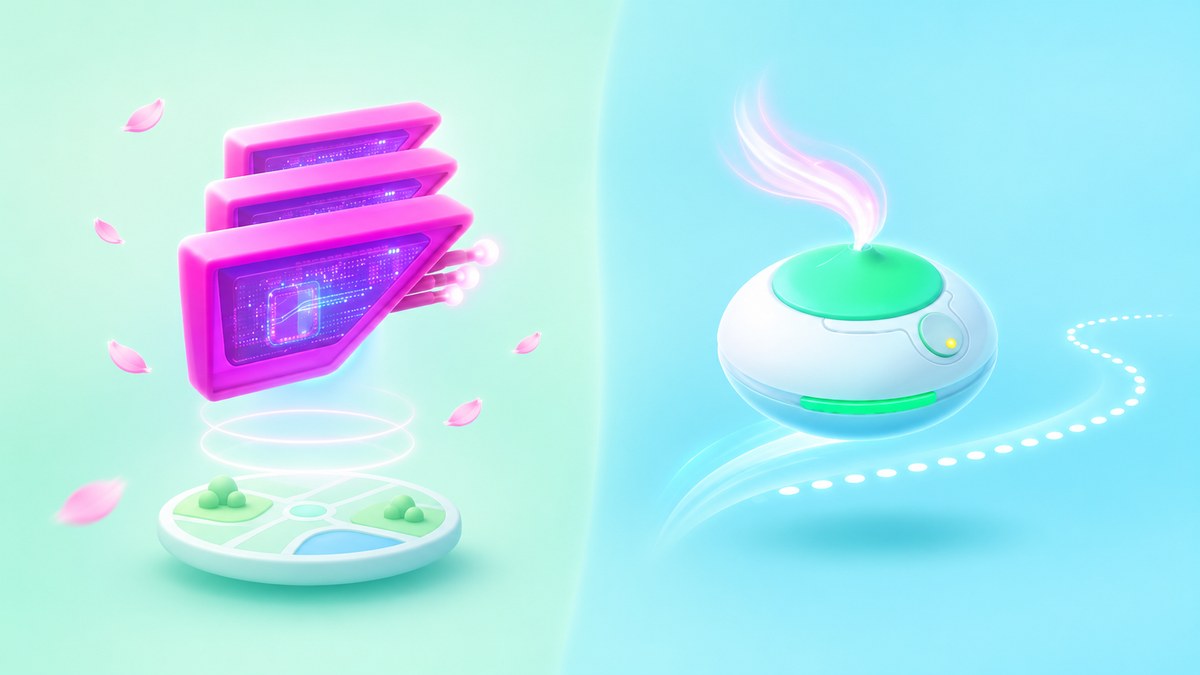
The two items sit next to each other in the shop and behave nothing alike. A lure belongs to a stop, an Incense belongs to you, and the table is the fastest way to decide which one is worth your next half hour.
| Feature | Lure Module | Incense |
|---|---|---|
| Attached to | One PokéStop | Your Trainer |
| Who benefits | Every Trainer in range | Only you |
| Base duration | 30 minutes | 60 minutes |
| Standing still | Full rate | Works, but much slower |
| Moving | The stop stays put | Faster, about one per minute |
| Unlocks evolutions | Yes, with Special Lures | No |
| Can both run at once | Yes | Yes |
Standing still suits a lure and walking suits an Incense, so the two are less rivals than a pair. Running both at a lured stop is standard practice on Community Day, and the only official restriction is that two types of Incense cannot be active together; the moving rate behind that difference is covered in our Incense spawn rate guide.
Golden Lure Module and the Gholdengo Cost
The Golden Lure is the only module tied to another game. You earn it by sending Postcards from Pokémon GO to Pokémon Scarlet or Violet, one per day, and the fifth Postcard produces the lure; those five days do not have to be consecutive.
It runs for the same half hour as any other module, you can hold only one at a time, and spinning the Golden PokéStop yields between 5 and 25 Gimmighoul Coins in steps of five. If the game tries to award another Golden Lure while one is already in your bag, the reward becomes 5 Coins instead.
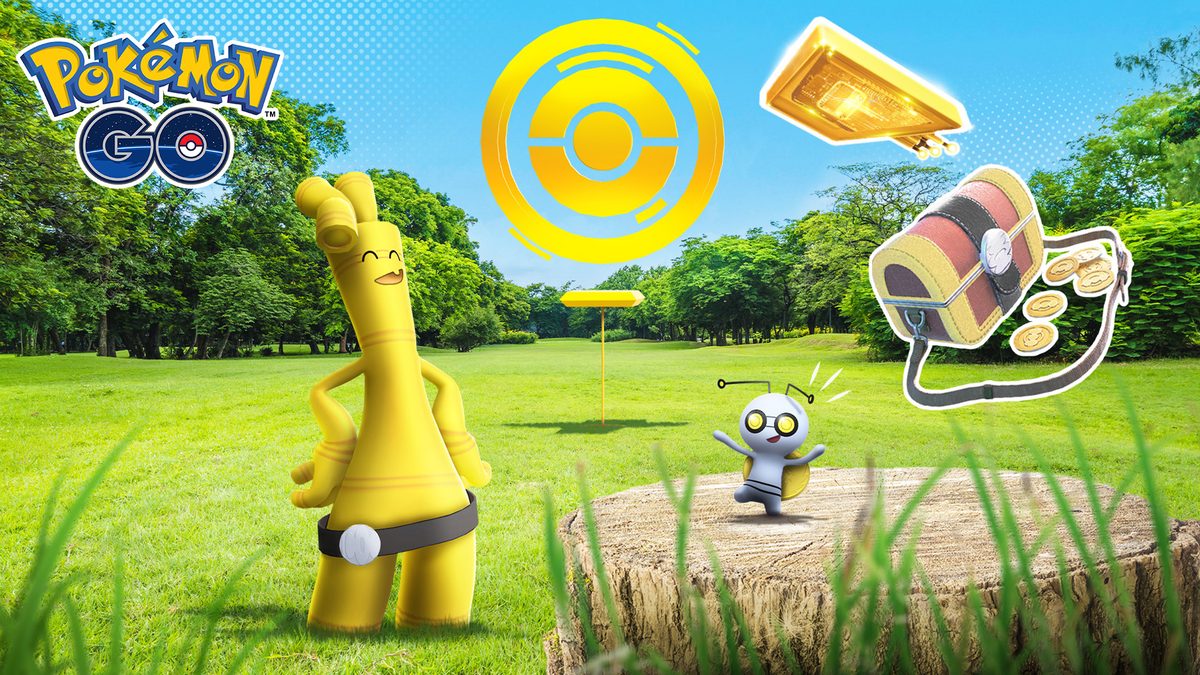
The coin math is worth doing before you start. A PokéStop can be spun every five minutes, so one Golden Lure covers about six spins, or roughly 30 to 150 Coins with 90 as a middle estimate. Gholdengo needs 999 Gimmighoul Coins, which puts a single lure near a tenth of the total and a full evolution at eleven or more, or at least 55 days of Postcards if you send one every day.
We keep that estimate deliberately rough, because the coin drop per spin is a range and the number of spins depends on how quickly you get back to the stop. The Coin Bag is a separate half-hour buff that recharges with another Postcard and spawns Roaming Form Gimmighoul around you as you walk, and those encounters drop Coins too.
Planning a Lure Module Session Around Dense PokéStops

I would rather spend five minutes reaching a cluster than thirty minutes standing in the wrong circle, which is why it is worth changing where your Trainer stands before you tap the module. With PoKeep Location Changer on a computer, you can set your position at a PokéStop cluster you have already found on the map, check that the stops really are close together, and install the lure with the full timer still ahead of you.
Once you are there, PoKeep's joystick and the two-spot and multi-spot route modes do the part a single jump cannot: they move you between lured stops in the same park, so a second module is not wasted on a stop you have already cleared. Favorites keep that cluster saved for the next Community Day, and the cooldown timer gives you a reading on how long to wait before the next long move.

A location change does not create spawns by itself. The lure still does that work, and you still have to stay inside the circle with the game open; the tool only decides which circle you are standing in when the timer starts.


Pokémon GO Lure Module FAQs
Do Lure Modules Work on Gyms?
No. Only PokéStops have a module slot, so a Gym cannot be lured even when it is the busiest place in the area. Gyms still host Raids and spawn wild Pokémon, but none of that comes from a Lure Module.
Can Other Players Use My Lure Module?
Yes. Every Trainer inside the spawn circle sees the same lured Pokémon, and the player who installed the module is named on the stop. Each person still catches their own copy of a spawn.
Do I Have to Place the Lure Myself to Evolve a Pokémon?
No. You only need to stand near a PokéStop where the right Special Lure is active and be close enough to interact with that stop. Someone else’s module unlocks the evolution just as well as your own.
Can Two Lure Modules Be Used on One PokéStop?
No. A stop holds one module until its timer expires, so a second Lure has to wait. You can still lure several stops in the same area at once, which is how groups build a lure cluster.
Can I Walk Away After Activating a Lure?
The module keeps running on the stop for its full duration, so other Trainers are unaffected by your movement. You stop seeing the spawns once you leave the circle around it, and the encounters you missed do not come back.
Do Lure Modules Increase Shiny Odds?
Not by themselves. A lure adds encounters, and each one rolls the normal Shiny chance for its species. The exception is an event that explicitly grants the boosted rate to lured spawns, such as a Community Day featuring that Pokémon.
How Often Does a Lure Module Spawn Pokémon?
Players measure roughly one spawn every three minutes for a regular Lure and about ninety seconds for a Special Lure, with event bonuses pushing that to forty-five or sixty seconds. The game has never published an interval, so treat these as observations rather than rules.
How Long Does a Golden Lure Module Last?
Thirty minutes, the same base duration as any other module, and event bonuses do not extend it. It also cannot be stockpiled, because you can hold only one at a time.
Do Mossy Lures Still Spawn Apples?
Only during events that add them. Apples appeared around Mossy Lures during Sweet Discoveries in April 2025 and returned in later events, but the official notes tie the bonus to those windows rather than to every Mossy Lure.
Does Weather Affect Lure Module Spawns?
Weather boosts still apply to lured spawns, which is why a boosted one shows the weather ring instead of the petal ring. The module keeps its own type bias whatever the in-game weather is, so a Rainy Lure in clear conditions still favours its usual types.
Final Thoughts on Pokémon GO Lure Modules
The right module depends on what you are doing in the next half hour. Regular Lures carry events, Special Lures buy an evolution or a narrow type pool, and Golden Lures are a long-term coin project rather than a spawn booster.
I would check three things before spending one: the duration listed on the current event page, every Pokémon you can evolve with that habitat, and whether you can stay inside the circle for the full timer. Those three checks decide more of the outcome than the price of the module does, and they cost nothing but a minute of reading.
 Related Articles

 Leave Your Comment