 By
By 

Quick Verdict
Pokémon GO Eggs can hatch rare Pokémon and provide Candy, Stardust, and XP. The best strategy is to check each Egg’s current hatch pool, keep the Infinite Incubator active, and save limited Incubators for longer-distance Eggs.
Who It's For
This guide is for Pokémon GO players who want to understand current Egg pools, hatch Eggs faster, fix missing distance, and use Incubators more efficiently.
Key Takeaways:
- Main Sources: PokéStops, Gyms, Gifts, Routes, Adventure Sync, and Rocket Leaders.
- Best Strategy: Use the Infinite Incubator for short Eggs and limited Incubators for 7 km, 10 km, and 12 km Eggs.
- Hatching Tip: Enable Adventure Sync and check location, fitness, and background permissions if distance is not updating.
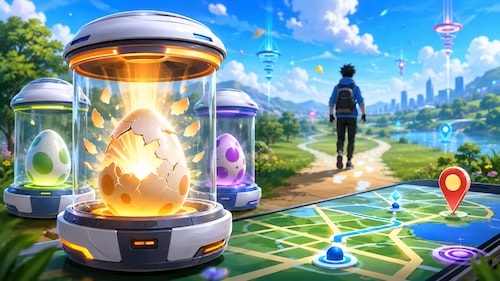
Pokémon GO Eggs can reward rare Pokémon, valuable Candy, Stardust, XP, and occasionally a Shiny hatch. However, the system is more complicated than simply collecting an Egg and walking the distance shown on its shell. Different Egg sources have separate hatch pools, Incubators affect distance differently, and Adventure Sync problems can prevent your steps from registering.
This Pokémon GO Egg guide covers the current Pokémon GO Egg chart for 2026, how to obtain every Egg type, the best Incubator strategy, ways to hatch Eggs faster, common reasons Eggs are not hatching, and which current hatches are worth targeting.
The current seasonal Egg pool was last updated on June 2, 2026, for the Forever Forward Season. Limited-time events can temporarily replace or expand these pools, so always open an individual Egg in your inventory to confirm what it can currently hatch.
Current Pokémon GO Egg Chart 2026
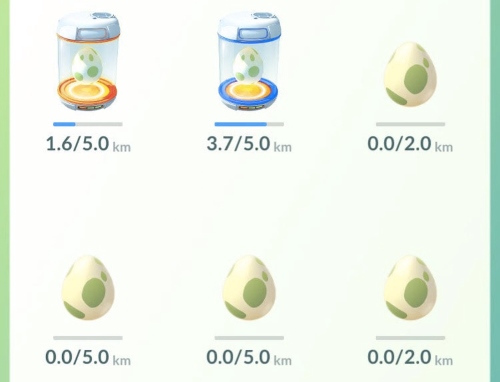
Pokémon GO now has several Egg pools based on both distance and acquisition method. For example, a regular 5 km Egg obtained from a PokéStop does not contain the same Pokémon as a 5 km Egg received through Adventure Sync.
The table below shows the baseline seasonal pool available in July 2026. Event Eggs may contain different Pokémon, even when they require the same walking distance.
| Pokémon GO Egg type | Current possible hatches |
|---|---|
| Daily Adventure 1 km Egg | Starter Pokémon from Bulbasaur through Quaxly |
| 2 km Egg | Exeggcute, Pichu, Cleffa, Togepi, Corphish, Wynaut, Larvesta |
| 5 km Egg | Riolu, Mantyke, Snom, Indeedee, Flittle, Larvesta |
| Adventure Sync 5 km Egg | Budew, Chingling, Sableye, Tyrogue, Happiny |
| 7 km Gift Egg | Galarian Meowth, Galarian Corsola, Galarian Zigzagoon, Galarian Darumaka, Galarian Stunfisk, Alolan Geodude, Alolan Diglett |
| Mateo Route 7 km Egg | Galarian Corsola, Galarian Slowpoke, Hisuian Sneasel, Hisuian Growlithe, White-Striped Basculin |
| 10 km Egg | Mawile, Absol, Honedge, Charcadet, Tinkatink, Frigibax, Larvesta |
| Adventure Sync 10 km Egg | Druddigon, Toxel, Bagon, Drampa, Gible |
| 12 km Strange Egg | Sandile, Vullaby, Shroodle, Pancham, Salandit, Varoom |
The tracked Adventure Sync 10 km list may be incomplete, and community Egg charts can occasionally disagree after an update. The in-game rarity preview attached to the Egg you already own should therefore take priority over any external Pokémon GO Egg list.
Current 1 km Daily Adventure Egg Hatches
The Daily Adventure Egg is different from ordinary Pokémon GO Eggs. Trainers at Level 15 or above receive one automatically after logging in for the first time after midnight, provided they are not already holding another Daily Adventure Egg.
It comes preloaded in its own Incubator, requires 1 km of exploration, and does not occupy normal Egg storage. Hatching one also awards 10,000 XP, although reduced-distance and hatch-reward event bonuses do not apply to it.
The current 1 km pool includes the following starter Pokémon:
Bulbasaur, Charmander, Squirtle, Chikorita, Cyndaquil, Totodile, Treecko, Torchic, Mudkip, Turtwig, Chimchar, Piplup, Snivy, Tepig, Oshawott, Chespin, Fennekin, Froakie, Rowlet, Litten, Popplio, Grookey, Scorbunny, Sobble, Sprigatito, Fuecoco, and Quaxly.
Current 2 km Pokémon GO Egg Pool
The current 2 km Egg pool contains:
- Exeggcute
- Pichu, Cleffa, Togepi, and Wynaut
- Corphish and Larvesta
These Eggs are useful for clearing storage because they require relatively little distance. Larvesta is the standout rare hatch, while several Baby Pokémon may also be Shiny-eligible.
Current 5 km Pokémon GO Egg Pool
Regular 5 km Eggs can currently hatch Riolu, Mantyke, Snom, male or female Indeedee, Flittle, and Larvesta. These Eggs normally come from spinning PokéStops or Gym Photo Discs when you have an open Egg slot.
Adventure Sync 5 km Eggs use a different pool:
- Budew
- Chingling and Sableye
- Tyrogue and Happiny
Because the two pools are separate, the source of the Egg matters more than its shell color or distance alone.
Current 7 km Pokémon GO Egg Pool
Standard 7 km Eggs are usually received from opening Gifts. The current pool focuses heavily on regional forms, including Galarian Meowth, Galarian Corsola, Galarian Zigzagoon, Galarian Darumaka, Galarian Stunfisk, Alolan Geodude, and Alolan Diglett.
A 7 km Egg received through Mateo at the end of a Route uses a separate pool. These Route Gift Eggs can hatch Galarian Corsola, Galarian Slowpoke, Hisuian Sneasel, Hisuian Growlithe, and White-Striped Basculin.
This distinction is important when targeting a specific Pokémon. Opening an ordinary friend Gift will not provide the Mateo Route pool.
Current 10 km Pokémon GO Egg Pool
Regular 10 km Eggs currently contain:
- Mawile, Absol, and Honedge
- Charcadet and Tinkatink
- Frigibax and Larvesta
Adventure Sync 10 km Eggs can contain Druddigon, Toxel, Bagon, Drampa, and Gible. The tracked list may not be exhaustive, so inspect the individual Egg before investing a Super Incubator.
Current 12 km Pokémon GO Egg Pool
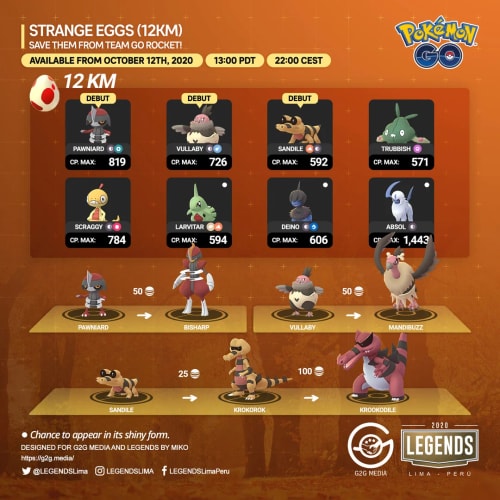
Twelve-kilometer Strange Eggs can currently hatch Sandile, Vullaby, Shroodle, Pancham, Salandit, and Varoom. They are obtained through Team GO Rocket Leader encounters rather than ordinary PokéStop spins.
These are the longest standard Eggs, but that does not automatically make every 12 km hatch better than every 10 km or 5 km hatch. Their value depends on which Pokémon you need, its rarity tier, evolution requirements, and whether its Shiny form is available.
How to Read Pokémon GO Egg Rarity Tiers
Tap an Egg in your storage to see the Pokémon that may hatch from it. The possibilities are divided into rarity groups represented by one to five Egg icons.
| Rarity display | General meaning |
|---|---|
| One Egg icon | More common within that Egg pool |
| Two or three icons | Less common |
| Four or five icons | Among the rarest possibilities |
These tiers are relative categories rather than published numerical probabilities. Two Pokémon appearing in the same tier should not automatically be assumed to have exactly the same hatch rate.
A missing tier simply means that the individual Egg has no eligible Pokémon assigned to that rarity group. The current in-game preview is particularly important during events, when the pool may differ from the normal seasonal list.
How to Get Eggs in Pokémon GO
Most Pokémon GO Eggs come from PokéStops, Gyms, Gifts, Routes, Adventure Sync, or Team GO Rocket. You must normally have an appropriate open Egg slot before receiving one.
| Egg type | How to get it |
|---|---|
| Daily Adventure 1 km Egg | Log in after midnight at Trainer Level 15 or above |
| 2 km, 5 km, and 10 km Eggs | Spin PokéStops or Gym Photo Discs |
| 7 km Gift Eggs | Open Gifts from friends |
| Mateo 7 km Route Eggs | Exchange a Gift with Mateo at the end of a Route |
| Adventure Sync Eggs | Reach weekly walking milestones and claim the weekly reward |
| 12 km Strange Eggs | Defeat a Team GO Rocket Leader with suitable storage space |
You cannot choose whether a PokéStop gives you a 2 km, 5 km, or 10 km Egg. The most practical way to control your inventory is to keep short Eggs incubating and avoid opening Gifts when you do not want another 7 km Egg.
How Many Pokémon GO Eggs Can You Carry?
The ordinary Pokémon GO Egg system allows Trainers to carry up to 12 Eggs across the available storage areas. The Daily Adventure Egg is separate and does not count toward this limit.
There is no normal option to delete an unwanted Egg from your inventory. You must generally place it in an Incubator and hatch it before the slot becomes available again.
This makes Egg inventory planning important. Before opening Gifts, defeating a Rocket Leader, or claiming Adventure Sync rewards, check which slots are available and which Egg source you want to prioritize.
How to Hatch an Egg in Pokémon GO
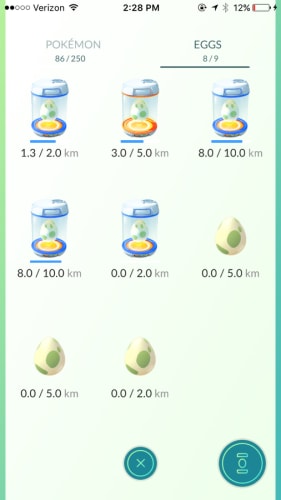
The basic Pokémon GO Egg hatching process is straightforward:
- Open the main menu and select Pokémon.
- Open the Eggs tab and select an Egg.
- Tap Incubate, choose an Incubator, and complete the required distance.
When the required distance has been recorded, the hatch animation will appear. If several Eggs finish together, Pokémon GO may show multiple consecutive hatch animations, which can be tapped to speed them up.
A newly completed Egg may not hatch immediately after opening the game. Remote Raid invitations, loading delays, and fitness-data synchronization can postpone the animation briefly.
Which Pokémon GO Egg Incubator Should You Use?
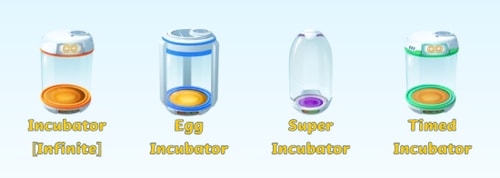
Pokémon GO provides several Incubator types. Choosing the right one can save limited uses and reduce how far you must travel.
Infinite Egg Incubator
Every Trainer receives an Infinite Incubator that never breaks. It can hold only one Egg at a time, but it can be reused indefinitely.
The best approach is to keep it running continuously. Use it for 2 km Eggs when you need to clear storage, or place a longer Egg inside when you do not expect to obtain additional Incubators soon.
Regular Egg Incubator
Standard limited-use Incubators normally hatch three Eggs before disappearing. They do not reduce the listed distance, but they allow several Eggs to progress at the same time.
Use them primarily for 7 km, 10 km, or 12 km Eggs. Spending a limited Incubator use on a 2 km Egg is usually inefficient unless a timed event or research task requires several quick hatches.
Super Incubator
A Super Incubator hatches an Egg 50% faster, which effectively reduces the required distance by one-third. It changes only the distance and does not improve the Pokémon, IVs, rewards, rarity tier, or Shiny chance.
| Original Egg distance | Distance in a Super Incubator |
|---|---|
| 2 km | Approximately 1.3 km |
| 5 km | Approximately 3.3 km |
| 7 km | Approximately 4.7 km |
| 10 km | Approximately 6.7 km |
| 12 km | 8 km |
Super Incubators provide the greatest absolute distance saving on longer Eggs. A 12 km Egg saves 4 km, while a 2 km Egg saves less than 1 km.
How to Hatch Pokémon GO Eggs Faster
There is no item that instantly opens a normal Pokémon GO Egg. Faster hatching comes from recording distance more consistently, using Incubators efficiently, and taking advantage of limited-time bonuses.
1 Keep Adventure Sync Enabled
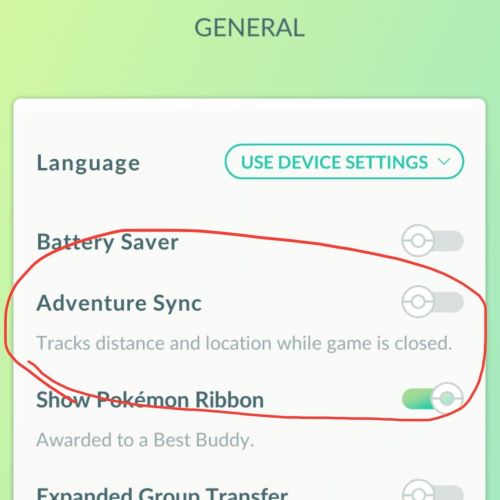
Adventure Sync records distance even when Pokémon GO is not open. It becomes available at Trainer Level 5 and requires persistent location access plus a connection to Apple Health or Google Fit.
To enable it:
- Open Settings in Pokémon GO.
- Select General.
- Turn on Adventure Sync and approve the requested fitness and location permissions.
This is usually the easiest way to hatch Eggs faster without keeping the game open throughout the entire walk.
2 Use Limited Incubators on Long-Distance Eggs
Keep the Infinite Incubator on short Eggs and reserve limited-use Incubators for 7 km, 10 km, and 12 km Eggs. This maximizes the distance cleared with every paid or rewarded Incubator use.
When several Eggs have similar remaining distances, start them together. Batch hatching makes it easier to combine Egg rewards with a Star Piece or Lucky Egg when a relevant bonus is active.
3 Wait for Reduced Hatch-Distance Events
Some Pokémon GO events reduce hatch distance for Eggs placed in Incubators during the event period. The reduction may be one-half or one-quarter of the normal requirement.
Read the event wording carefully before incubating valuable Eggs. These bonuses often apply only when the Egg is placed into an Incubator after the event begins, rather than to Eggs that were already incubating.
The upcoming Fire and Ice Hatch Day on August 8, 2026, for example, includes half hatch distance and double hatch Candy, while its paid ticket adds double hatch Stardust.
How to Hatch Pokémon GO Eggs Without Walking Outside
Outdoor walking is the intended method, but it is not the only way genuine activity can register. Indoor walking can also contribute when the phone or a compatible fitness service records the movement correctly.
Use Adventure Sync Indoors
Walking around a home, office, shopping center, or indoor track may add progress through Apple Health or Google Fit. Keep the phone with you so its motion sensors can record steps.
Adventure Sync data is not always transferred immediately. The widget may take up to an hour to update, while some discrepancies can take several hours to appear inside the game.
Use a Treadmill or Fitness Tracker
Treadmill walking can work when a phone or supported wearable records genuine activity and passes it to the connected fitness service. Pokémon GO does not need to measure a large GPS displacement when Adventure Sync accepts the step data.
Check the fitness application after the session. If Apple Health or Google Fit did not record the workout, Pokémon GO will have no distance to import.
Avoid Unreliable Phone-Shaking Tricks
Putting a phone in a sock, shaking it repeatedly, or using a mechanical phone swing may cause some devices to register artificial steps. Results vary between phones, operating systems, fitness applications, and sensor filtering.
These methods are inconsistent and can damage the device. Manually adding distance to Apple Health or Google Fit will not work because manually entered fitness data is excluded from Adventure Sync progress.
Can PoKeep Help with Pokémon GO Egg Hatching?

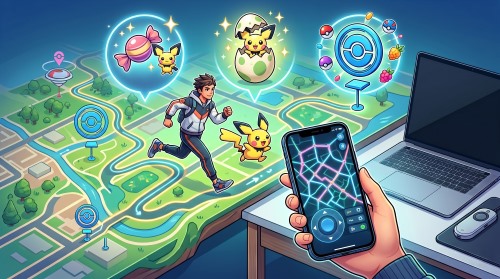
For players who cannot easily access long or safe walking routes, PoKeep Location Changer provides route-based virtual movement on connected iPhone and Android devices. Its two-spot mode creates movement between two locations, while multi-spot mode allows a longer route with multiple waypoints.


PoKeep also includes adjustable movement controls, a 360-degree GPS joystick, speed fluctuation, saved routes, history records, and GPX route importing. These features make it possible to create a repeatable route rather than continuously controlling movement manually.
A practical PoKeep route workflow is:
- Connect the mobile device and select two-spot or multi-spot movement.
- Create a reasonable walking route and choose a walking-style speed.
- Begin the route and check whether the game records distance normally.
Pokémon GO Eggs Not Hatching: How to Fix It
If a Pokémon GO Egg is not hatching, first confirm that it is actually inside an Incubator. Eggs sitting in storage do not gain distance.
After that, work through the following checks in order.
Check Whether Adventure Sync Is Enabled
Open Settings → General and verify that Adventure Sync remains switched on. Refreshing game data, reinstalling Pokémon GO, changing devices, or responding incorrectly to a permission prompt may disable it.
Adventure Sync only works from Trainer Level 5 onward. If the feature is missing on a new account, continue leveling before troubleshooting the phone.
Allow Background Location Access
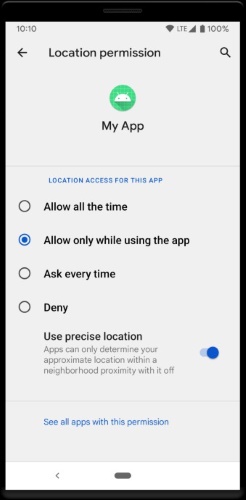
Pokémon GO needs appropriate location access to record Adventure Sync distance while closed. On iOS, set Pokémon GO’s location permission to Always.
On Android, enable location and physical-activity permissions and remove unnecessary background restrictions. Menu names vary between manufacturers and Android versions.
Reconnect Apple Health or Google Fit
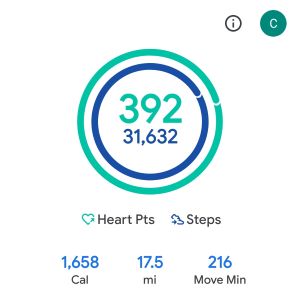
Open Apple Health or Google Fit and check that Pokémon GO appears as a connected application. Also confirm that the fitness application itself is recording steps.
If the health application shows no recent movement, the issue is occurring before Pokémon GO receives the data. Reconnecting permissions may resolve the problem.
Disable Battery-Saving Restrictions
Low Power Mode, Battery Saver, and aggressive background optimization can disable sensors or prevent the fitness service from updating. Temporarily disable these settings and test another short walk.
Battery-saving controls inside Apple Health or Google Fit can also interfere. Both the game and the connected fitness service need permission to run sufficiently in the background.
Allow Time for Distance to Sync
Adventure Sync does not always update instantly. Wait at least an hour, reopen Pokémon GO, and check the Egg again.
In some cases, synchronization can take several hours. Restarting the game can trigger an update, but repeatedly reinstalling the application should be treated as a final step rather than the first solution.
Do Not Rely on Vehicle Distance
Pokémon GO filters movement that appears too fast. Driving, taking a train, or cycling quickly may produce little or no Egg progress, even when the route covers many kilometers.
Use a normal walking or light-jogging pace for more consistent results. If the game is open, ensure the GPS signal remains stable and the avatar is moving normally rather than jumping between locations.
Refresh Game Data or Clear the Cache
On Android, clearing the Pokémon GO cache can resolve temporary data issues. The game also includes a Refresh Game Data option under Advanced Settings.
Refreshing data can switch Adventure Sync off, so check the setting again afterward. Updating to the newest official Pokémon GO version and using a stable network connection are also recommended troubleshooting steps.
Pokémon GO Egg Rewards
Hatching a standard Pokémon GO Egg rewards the Pokémon itself, species Candy, Stardust, and XP. Longer-distance Eggs generally have larger reward ranges, but events can change or multiply these rewards.
Hatched Pokémon use a minimum IV floor of 10 Attack, 10 Defense, and 10 HP. Their level is based on the Trainer’s level when the Egg was obtained, capped at Pokémon Level 20.
This gives every standard hatch a minimum appraisal of two stars, but it does not guarantee that the Pokémon will be useful. A 10/10/10 hatch may still have less raid or PvP value than a carefully selected wild catch.
Does a Longer Egg Give Better Rewards?
Longer Eggs generally provide more Candy and Stardust, but the Pokémon itself is not automatically better. A rare Riolu, Larvesta, Frigibax, or event-exclusive hatch may be more valuable than a common result from a 12 km Egg.
The best Egg therefore depends on your goal:
| Goal | Egg types worth prioritizing |
|---|---|
| Clear inventory quickly | 1 km and 2 km Eggs |
| Regional forms | 7 km Gift and Mateo Eggs |
| Rare species | 5 km, 10 km, and event Eggs |
| Rocket-exclusive pool | 12 km Strange Eggs |
| Weekly reward pool | Adventure Sync 5 km and 10 km Eggs |
Can Pokémon GO Eggs Hatch Shiny Pokémon?
Yes, an Egg can hatch a Shiny Pokémon when that species’ Shiny form is available in Pokémon GO. However, Egg distance alone does not determine Shiny odds.
There is no universal Pokémon GO Egg Shiny rate. The rate depends on the species and may be increased during Hatch Days, ticketed bonuses, or other limited-time events.
Three separate probability layers affect a Shiny hatch:
- Obtaining the correct Egg type.
- Hatching the desired species from its pool.
- Receiving the Shiny version of that species.
A Pokémon may have boosted Shiny odds while still being difficult to hatch because it occupies a rare tier inside a large Egg pool. Check the individual Egg preview and current event details instead of assuming that every rare Egg has better Shiny odds.
What Are the Rarest Pokémon GO Egg Hatches?
There is no permanent answer because the Pokémon GO Egg pool changes between seasons and events. A 12 km Strange Egg is the longest standard Egg, but its distance does not prove that every possible hatch is rarer than a 5 km or 10 km result.
Current hatches worth watching include Larvesta, Frigibax, Toxel, Honedge, female Salandit, and limited event Pokémon. Female Salandit is especially desirable because only the female form can evolve into Salazzle.
The rarity icons on each Egg offer the best immediate indication of difficulty. A Pokémon appearing in the highest visible rarity tier will generally be harder to hatch from that specific Egg than one shown in the first tier.
Pokémon Egg vs. Lucky Egg vs. Raid Egg
These three items share the word “Egg,” but they serve completely different purposes.
| Egg type | What it does |
|---|---|
| Pokémon Egg | Hatches a Pokémon after being placed in an Incubator and completing distance |
| Lucky Egg | Temporarily doubles XP earned from eligible actions |
| Raid Egg | Appears over a Gym before a Raid Boss is revealed |
A Raid Egg cannot be collected, placed in storage, or incubated. When its countdown reaches zero, the Raid Boss appears at the Gym.
Pokémon GO Egg FAQ
How do I hatch an Egg in Pokémon GO?
Select an Egg from the Eggs tab, place it in an available Incubator, and complete the listed distance. Turn on Adventure Sync if you want walking progress to count while the app is closed.
How do I get more Pokémon GO Eggs?
Spin PokéStops and Gyms for standard Eggs, open Gifts for ordinary 7 km Eggs, exchange a Route Gift with Mateo for the Route pool, defeat Rocket Leaders for 12 km Eggs, and claim weekly Adventure Sync rewards for special 5 km or 10 km Eggs.
Can I delete Eggs in Pokémon GO?
No standard delete option is currently available. An unwanted Egg must normally be incubated and hatched before its slot can be reused.
Can Eggs hatch while Pokémon GO is closed?
Yes, provided Adventure Sync is enabled and the required permissions remain active. Without Adventure Sync, Pokémon GO generally needs to remain open while you walk.
Does a Super Incubator improve Shiny odds?
No. A Super Incubator only reduces the distance required to hatch the Egg. It does not change the hatch pool, rarity, IVs, rewards, or Shiny probability.
Are 10 km Eggs better than 5 km Eggs?
Not necessarily. Ten-kilometer Eggs generally offer different and potentially rarer species, but the best Egg depends on which Pokémon you need and the current seasonal pool.
Why did my Pokémon GO Egg pool change?
Seasonal updates and limited-time events regularly modify hatch pools. Eggs obtained from different sources can also show different Pokémon despite having the same required distance.
Do Pokémon GO Egg hatcher apps work?
Applications that fabricate steps, modify fitness data, or interfere with the game are unreliable and may expose your account or personal data. Manually entered Apple Health or Google Fit distance does not count toward Adventure Sync.
Final Thoughts on Pokémon GO Eggs
The best Pokémon GO Egg strategy is to check each Egg’s in-game preview, keep the Infinite Incubator active, reserve limited Incubators for longer distances, and use Adventure Sync to capture everyday movement. Do not assume that a longer Egg automatically contains a better Pokémon or has higher Shiny odds.
The current Egg chart provides a useful seasonal baseline, but event pools can change quickly. Review active event bonuses before filling your storage or placing valuable Eggs into Incubators.
For players interested in route-based virtual movement, PoKeep offers two-spot routes, multi-point movement, joystick control, adjustable speed, and GPX route importing. These tools provide more control over simulated movement.
 Related Articles


 Leave Your Comment