 By
By 

Quick Verdict
Pokémon GO trading is best used for Pokédex completion, Lucky Trades, trade evolution, regional Pokémon, and IV rerolls. Always check Stardust cost, Special Trade limits, and IV changes before confirming.
Who It's For
This guide is for Pokémon GO players who want to understand trading rules, reduce trading costs, plan Remote Trades, and choose which Pokémon are actually worth trading.
Key Takeaways:
- Main Rules: Trades cost Stardust, Pokémon can only be traded once, and IVs reroll after trading.
- Best Uses: Lucky Trades, mirror trades, regional Pokémon, trade evolution, and low-IV rerolls.
- Location Tip: Use PoKeep to plan Pokémon GO routes and event areas, while still following current trading limits.

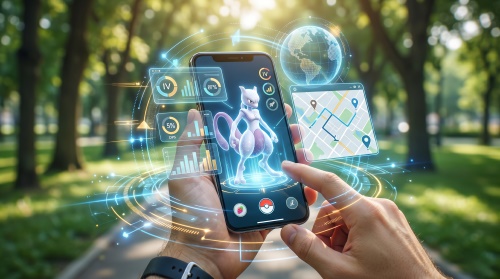
Trading in Pokémon GO sounds simple at first: choose a friend, pick a Pokémon, spend Stardust, and confirm the exchange. In practice, it becomes much more strategic once Stardust cost, Special Trades, Remote Trades, IV rerolls, Lucky Pokémon, and trade evolution rules come into play.
A good trade can help you complete your Pokédex, save Candy, reroll bad IVs, get Lucky Pokémon, collect regional Pokémon, or prepare stronger attackers. A bad trade can waste Stardust, lower a Pokémon’s IVs, or permanently lock a Pokémon from being traded again.
This guide explains how Pokemon Go trading works, how much trading costs, when Remote Trading is available, which Pokémon are worth trading, and how to plan smarter trades with friends, Discord groups, Reddit communities, and location-based gameplay tools like PoKeep Location Changer.
Quick Answer: How Pokemon Go Trading Works
In Pokémon GO, trading lets two friends exchange Pokémon by spending Stardust. Regular trades require both Trainers to be nearby, while Remote Trades are now possible through the Forever Friends system.
Here are the most important rules to know before trading:
- You need to be at least Trainer Level 10 to trade.
- A Pokémon can only be traded once.
- Trading rerolls IVs, so stats can become better or worse.
- Some Pokémon count as Special Trades and cost more Stardust.
- Some Pokémon, such as most Mythical Pokémon and previously traded Pokémon, cannot be traded.
- Remote Trade exists, but it is limited and requires Forever Friends.
The most important mistake to avoid is trading a high-IV Pokémon and expecting the IVs to stay the same. Pokémon GO trading does not work like a direct stat transfer. The Pokémon’s CP, HP, and IVs can change after the trade, which makes trading more useful for rerolling, Lucky Trades, and collection goals than for preserving exact stats.
Pokemon Go Trading Rules You Need to Know First
Trainer Level and Friendship Requirement
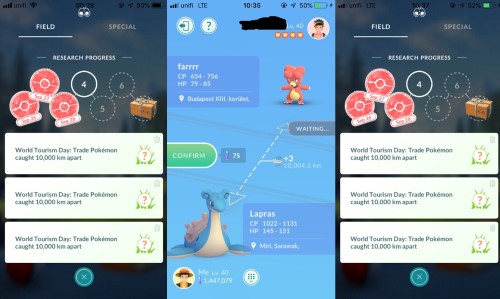
To trade in Pokémon GO, both Trainers need to be friends in-game and meet the level requirement. Trading unlocks at Trainer Level 10, so brand-new accounts cannot immediately trade Pokémon.
For regular in-person trades, both players need to be near each other. After opening the Friend List, one player selects the friend, taps Trade, chooses a Pokémon, reviews the trade details, and confirms. The trade screen shows important information before the final confirmation, including Stardust cost, Candy earned, and the possible CP range after trading.
This final screen matters. Once a trade is completed, it cannot be undone.
A Pokémon Can Only Be Traded Once
Every traded Pokémon becomes locked from future trades. That means you cannot trade a Pokémon to a friend, ask them to evolve it, and then receive it back later.
This rule is especially important for trade evolution Pokémon. For example, if your friend sends you a Haunter, you can evolve it into Gengar for free, but you cannot send that Gengar back. Before trading, both sides should be clear about who will keep the final Pokémon.
Which Pokémon Cannot Be Traded in Pokemon Go?
Not every Pokémon can be traded. Some restrictions are permanent, while others depend on the Pokémon’s current status.
Common Pokémon that cannot be traded include:
- Previously traded Pokémon
- Most Mythical Pokémon, such as Mew
- Shadow Pokémon
- Pokémon currently defending a Gym or Power Spot
- Current Buddy Pokémon
- Fainted Pokémon or Pokémon that are not at full HP
- Eggs
- Actively Mega-Evolved Pokémon
- Fused Pokémon and certain special forms
If the Trade button does not allow a Pokémon to be selected, check whether it is your buddy, defending a Gym, already traded, Mythical, Shadow, fainted, or in a temporary powered-up form.
In-Person Trading vs Remote Trading in Pokemon Go
Regular In-Person Pokemon Go Trading
Regular trading is the classic Pokémon GO trade system. You and your friend meet nearby, open the Friend List, enter the trading screen, choose Pokémon, and confirm.
This type of trading is still the most common way to exchange Pokémon. It is especially useful during Community Days, GO Fest, local raid meetups, Spotlight Hours, or after a big event where both players caught many duplicate Pokémon.
In-person trades are best for:
- Mirror trading event Pokémon
- Trading regional Pokémon with local friends
- Completing trade evolution
- Doing multiple regular trades in one session
- Using event bonuses like reduced Stardust or extra Special Trades
Remote Trading in Pokemon Go
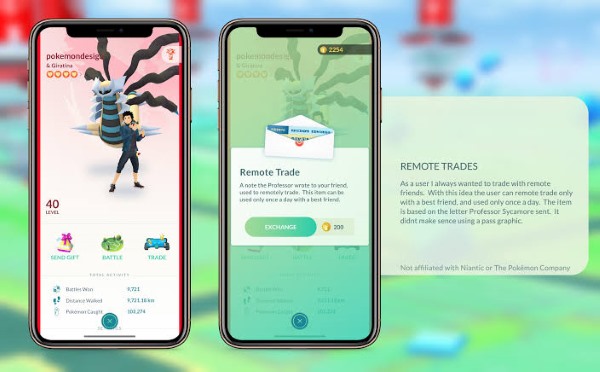
Remote Trading is now an official Pokémon GO feature, but it is not unlimited. It is tied to the Forever Friends friendship level.
When two Trainers become Forever Friends, they unlock a Remote Trade with each other. Forever Friends requires 180 friendship points. After completing the first Remote Trade, the same pair needs to earn more friendship points to unlock another Remote Trade.
Remote Trading also uses a different process from regular trading. Instead of both players choosing Pokémon in real time, Trainers use a special Remote Trade tag to mark Pokémon they are willing to trade. Each side can then choose Pokémon from the other player’s tagged list and go through a request-and-confirm process.
Remote Trading is useful, but it has clear limits:
- You can complete only a limited number of Remote Trades per day.
- Remote Trades require Forever Friends.
- Additional Remote Trades require more friendship progress.
- Some Pokémon cannot be included in Remote Trades.
- Pokémon caught recently may be restricted from Remote Trade.
Remote Trade is best treated as a premium friendship reward, not a replacement for all local trading.
Pokemon Go Trading Cost Chart: How Much Stardust Do You Need?
Every Pokémon GO trade costs Stardust. The exact cost depends on three main factors:
-
Your friendship level with the other Trainer
-
Whether the Pokémon is already registered in the Pokédex
-
Whether the trade involves Shiny, Legendary, Ultra Beast, Gigantamax, or other Special Trade categories
Higher friendship levels reduce the Stardust cost. This is why many players wait 30 days or 90 days before doing expensive Shiny or Legendary trades.
Pokemon Go Trading Stardust Cost Chart
| Trade Type | Good Friend | Great Friend | Ultra Friend | Best Friend |
|---|---|---|---|---|
| Registered regular Pokémon | 100 | 100 | 100 | 100 |
| Unregistered regular Pokémon | 20,000 | 16,000 | 1,600 | 800 |
| Registered Shiny / Legendary / special high-value Pokémon | 20,000 | 16,000 | 1,600 | 800 |
| Unregistered Shiny / Legendary / special high-value Pokémon | 1,000,000 | 800,000 | 80,000 | 40,000 |
This is why friendship level matters so much. A new Shiny or Legendary trade can cost 1,000,000 Stardust with a low-level friend, but only 40,000 Stardust with a Best Friend.
Registered vs Unregistered Trade Cost
A registered Pokémon means that form or category already exists in your Pokédex. If your friend trades you a Pokémon you have never owned before, the trade becomes more expensive.
Shiny registration can be separate from normal registration. For example, having regular Pikachu does not automatically mean Shiny Pikachu is registered for trade-cost purposes. The same idea can apply to special forms, costumes, and regional forms.
Before confirming a high-value trade, check the Stardust cost on the trade screen. If it is too expensive, increase friendship first or wait for a trading event with a discount.
How to Reduce Pokemon Go Trading Cost
The simplest way to reduce trading cost is to raise friendship level before trading. Sending Gifts, battling together, raiding together, and other friendship interactions can help build friendship over time.
You can also wait for events. Pokémon GO sometimes offers bonuses such as reduced Stardust for trades, extra Special Trades, higher Lucky Trade chance, or guaranteed Candy XL from trades. These bonuses change frequently, so always check the in-game Today tab before planning expensive trades.
What Counts as a Special Trade in Pokemon Go?
A Special Trade is a trade involving a Pokémon category with extra value or collection importance. Special Trades cost more Stardust and are limited per day, although events can increase the limit.
Special Trades can include:
- Pokémon not already registered in your Pokédex
- Legendary Pokémon
- Shiny Pokémon
- Ultra Beasts
- Pokémon with unregistered forms
- Costumed Pokémon
- Certain special-feature Pokémon, such as Location Card Pokémon
Special Trades should be planned carefully. If you only have one Special Trade available for the day, using it on a random unregistered form may block you from trading a Legendary or Shiny Pokémon later.
Best Time to Do Special Trades
The best time to do Special Trades is usually during major events or trading bonus days. GO Fest, seasonal bonuses, Community Day meetups, and Friendship-focused events may offer extra Special Trades or lower Stardust cost.
A simple planning rule works well:
Save expensive Special Trades for Best Friends or active trade-bonus events.
That one choice can save tens of thousands—or even hundreds of thousands—of Stardust.
Why IVs Change After Trading in Pokemon Go
One of the most confusing parts of Pokémon GO trading is the IV reroll. When you trade a Pokémon, its IVs are recalculated. The Pokémon your friend receives may become stronger, weaker, or roughly the same.
This means a 3-star Pokémon can become 1-star after a trade. It also means a poor-IV Pokémon can become excellent after a trade. Trading is a gamble, and the odds improve as friendship level rises.
Pokemon Go Trading IV Floors
Friendship level gives traded Pokémon a minimum IV floor. Higher friendship means the Pokémon cannot roll as low.
| Trade Situation | Minimum IV Floor |
|---|---|
| Good Friend trade | 1 / 1 / 1 |
| Great Friend trade | 2 / 2 / 2 |
| Ultra Friend trade | 3 / 3 / 3 |
| Best Friend trade | 5 / 5 / 5 |
| Lucky Trade | 12 / 12 / 12 |
This is why Lucky Trades are so valuable. A Lucky Pokémon has a much better minimum IV floor and costs less Stardust to power up.
Should You Trade High-IV Pokémon?
Usually, no. If a Pokémon already has excellent IVs, trading it is risky because the IVs will reroll.
Trading is better for:
- Low-IV rare Pokémon
- Extra Legendary Pokémon
- Community Day duplicates
- PvP IV rerolls
- Lucky Trade targets
- Trade evolution Pokémon
- Regional Pokémon for Pokédex completion
If you have a 98% IV Legendary, keep it. If you have five low-IV copies of the same Legendary, those are better trade candidates.
Lucky Trading in Pokemon Go
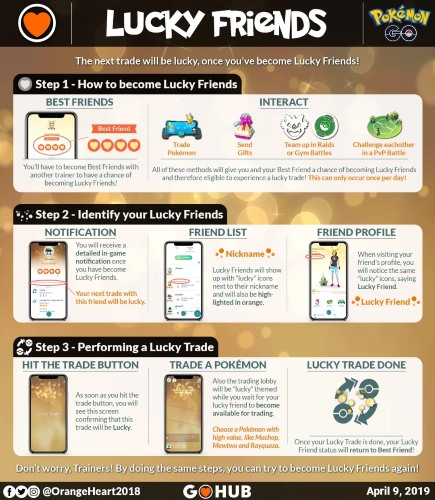
Lucky Pokémon are special traded Pokémon with a higher IV floor and reduced Stardust power-up cost. They are especially valuable for Pokémon that require heavy investment, such as Legendary attackers, raid counters, Master League Pokémon, and rare Max Battle options.
A trade can become Lucky randomly, but some conditions improve your odds. Older Pokémon generally have better Lucky chances, and Lucky Friends guarantee that the next trade between the two Trainers becomes Lucky.
Lucky Friends Explained
Once you are Best Friends with someone, certain daily interactions can trigger Lucky Friends. When that happens, the next completed trade between the two of you will produce Lucky Pokémon for both sides.
Lucky Friends is one of the best ways to trade high-value Pokémon because both players know the trade will produce Lucky Pokémon. This makes it ideal for rare Legendary Pokémon, strong raid attackers, and Pokémon you plan to power up.
Best Pokémon to Save for Lucky Trades
The best Lucky Trade targets are Pokémon that are expensive to power up or useful for raids, gyms, Master League, or special battle formats.
Good Lucky Trade candidates include:
- Mewtwo
- Rayquaza
- Kyogre
- Groudon
- Dialga
- Palkia
- Necrozma
- Reshiram
- Zekrom
- Terrakion
- Kartana
- Shadow replacements when the non-Shadow version is still useful
- Strong Gigantamax or Dynamax Pokémon, if available and tradable
A Lucky Trade is less valuable on a Pokémon you will never power up. Save it for something that benefits from lower Stardust investment.
Pokemon Go Trading Evolution: Which Pokémon Evolve for Free?
Some Pokémon can evolve without Candy after being received in a trade. This is one of the easiest ways to save resources in Pokémon GO.
Trade evolution is optional. You can still evolve these Pokémon with Candy if you do not trade, but receiving one through trade removes the Candy requirement for that evolution stage.
Pokemon Go Trade Evolution List
| Pokémon Received in Trade | Free Evolution After Trade |
|---|---|
| Kadabra | Alakazam |
| Machoke | Machamp |
| Graveler | Golem |
| Alolan Graveler | Alolan Golem |
| Haunter | Gengar |
| Boldore | Gigalith |
| Gurdurr | Conkeldurr |
| Karrablast | Escavalier |
| Shelmet | Accelgor |
| Phantump | Trevenant |
| Pumpkaboo | Gourgeist |
Trade evolution is especially useful for new players who want strong budget attackers. Machamp, Gengar, Gigalith, and Conkeldurr can all be useful depending on moves, league, and raid needs.
Important Trade Evolution Warning
Do not trade a Pokémon expecting it to come back. Once your friend receives it, that Pokémon belongs to them permanently. It cannot be traded back.
For trade evolution, the best approach is simple: each player trades a Pokémon they are comfortable giving away. If both players want the evolved result, do a mirror trade. For example, you trade Haunter for Haunter, and both players can evolve their received Haunter into Gengar for free.
Best Pokémon to Trade in Pokemon Go
The best Pokémon to trade depends on your goal. Some trades are for Pokédex completion, some are for Lucky Pokémon, some are for PvP IV rerolls, and some are for Candy or Candy XL.
1 Mirror Trade Pokémon
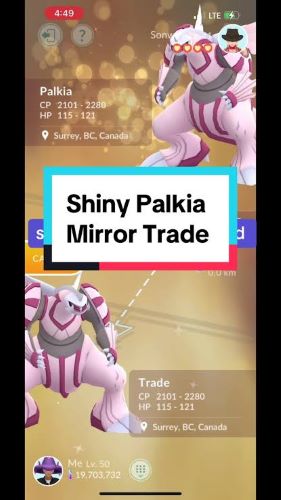
A mirror trade means both players trade the same Pokémon species. For example, Beldum for Beldum, Gible for Gible, or Necrozma for Necrozma.
Mirror trades are useful because both players understand the Pokémon’s value. You can reroll IVs, chase Lucky Pokémon, gain Candy, and clear storage without giving away something more valuable than you receive.
Good mirror trade candidates include:
- Community Day Pokémon
- Rare wild spawns
- Raid Pokémon
- Legendary duplicates
- Pseudo-Legendary Pokémon
- Event Pokémon with useful moves
- Pokémon with PvP potential
2 Regional Pokémon
Regional Pokémon are excellent trade targets because many players cannot catch them locally. If you travel or join events with international players, save extra regionals for future trades.
Examples include Pokémon like Tauros, Kangaskhan, Mr. Mime, Farfetch’d, Heracross, Corsola, Torkoal, Tropius, Relicanth, Pachirisu, Carnivine, Maractus, Sigilyph, Bouffalant, Klefki, Comfey, Hawlucha, and others depending on current availability.
Regional trades are often best for Pokédex completion. If the regional Pokémon is unregistered, check Stardust cost before confirming.
3 Shiny and Costume Pokémon
Shiny and costume Pokémon are high-demand trade items, but they can be expensive if unregistered. Before offering or accepting one, check whether the other player already has that Shiny or form registered.
Shiny trades are best handled with clear planning:
- Confirm whether the trade is registered or unregistered.
- Check Stardust cost before the event.
- Wait for Best Friends if the cost is too high.
- Use Special Trade bonuses when available.
Do not assume every Shiny has the same trade value. Event rarity, costume availability, age, and demand can all affect how much other players want it.
4 Legendary Pokémon
Legendary Pokémon are some of the best Lucky Trade targets. A low-IV Legendary from raids can become much more useful after a Lucky Trade, especially if both players trade the same Legendary.
Good Legendary trade candidates include Pokémon you plan to power up for raids or Master League. If you only want Pokédex completion, a regular trade may be enough. If you want long-term battle value, wait for Lucky Friends.
5 PvP IV Candidates
Trading can create interesting PvP IV spreads because IVs reroll. Some Pokémon perform better in Great League or Ultra League with lower Attack and higher Defense/HP.
This makes trading useful for Pokémon like Meditite, Carbink, Lickitung, Sableye, Galarian Stunfisk, Trevenant, and many limited-cup picks. However, friendship IV floors can make it harder to get certain low-Attack PvP spreads, especially at Best Friends.
If your goal is PvP IV optimization, check the target Pokémon with a PvP IV tool after trading.
How PoKeep Can Help with Location-Based Pokemon Go Planning
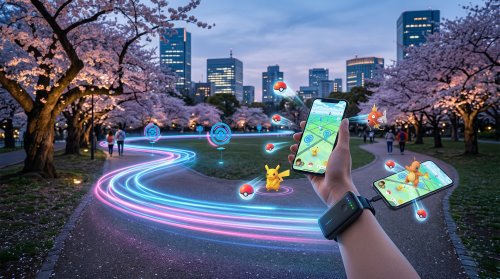
Trading is only one part of Pokémon GO’s location-based gameplay. To trade effectively, players often need to plan where to play, where to meet, which event areas to explore, and how to move between PokéStops, Gyms, routes, and local spawn points.
PoKeep Location Changer can help with broader Pokémon GO location planning by letting players adjust GPS location on iPhone and Android, use joystick movement, simulate routes, and explore location-based gameplay more flexibly. It supports Pokémon GO and offers movement modes such as joystick control, two-spot movement, multi-spot movement, and jump teleport.


Where PoKeep Fits Naturally
PoKeep is most useful when you want more control over Pokémon GO movement and route planning. For example, you can use joystick movement to explore an event area, create routes between active PokéStops, or save frequently used locations for future sessions.
Useful PoKeep features for Pokémon GO players include:
- 1-click GPS location changing
- 360° joystick movement
- Custom speed settings
- Two-spot and multi-spot movement
- Jump teleport mode
- Cooldown timer
- Favorite routes and history records
- GPX route support
- Multi-device support
- Free trial access
These features are especially relevant for players who want more control over where they play Pokémon GO, how they move, and how they organize event routes.
Pokemon Go Trading FAQ
Can You Trade Remotely in Pokemon Go?
Yes, but only through the official Remote Trade system. Remote Trade requires Forever Friends and has strict limits. It is not unlimited long-distance trading.
What Level Do You Need to Trade in Pokemon Go?
You need to be at least Trainer Level 10 to trade.
Can You Trade a Pokémon Back?
No. A Pokémon can only be traded once. Once your friend receives it, it cannot be traded back or traded again.
Why Did My Pokémon’s IVs Change After Trading?
Trading rerolls IVs. Friendship level gives a minimum IV floor, but it does not preserve the original IVs.
Can Shadow Pokémon Be Traded?
No. Shadow Pokémon cannot be traded.
Can Mythical Pokémon Be Traded?
Most Mythical Pokémon cannot be traded. Some special exceptions may exist depending on the Pokémon, but you should check the trade screen and current official rules before planning a Mythical trade.
How Much Stardust Does Trading Cost in Pokemon Go?
A regular registered Pokémon trade usually costs 100 Stardust. Unregistered, Shiny, Legendary, and other Special Trades can cost much more, especially at low friendship levels. Best Friends get the biggest discount.
What Is a Special Trade in Pokemon Go?
A Special Trade usually involves a Legendary Pokémon, Shiny Pokémon, Ultra Beast, unregistered Pokémon, unregistered form, costume Pokémon, or other special category. Special Trades cost more Stardust and are limited per day.
What Is Mirror Trading in Pokemon Go?
Mirror trading means both players trade the same Pokémon species. For example, trading Beldum for Beldum or Kyogre for Kyogre. It is useful for IV rerolls, Lucky chances, Candy, and storage cleanup.
Which Pokémon Should I Trade for Lucky Trades?
Choose Pokémon you plan to power up. Legendary attackers, rare raid counters, Master League Pokémon, and expensive investment Pokémon are usually the best Lucky Trade targets.
Does Pokemon Go Trading Cards Mean the Same Thing?
No. This guide covers in-game Pokémon GO trading, where players exchange Pokémon inside the mobile game. “Pokemon Go trading cards” usually refers to Pokémon TCG products or card collecting, which is a different topic.
Final Thoughts on Pokemon Go Trading
Pokemon GO trading is most valuable when you plan before confirming. Check Stardust cost, understand Special Trade limits, avoid trading high-IV Pokémon by mistake, and save your best trade targets for Lucky Friends or trading bonus events.
For beginners, the best first trades are usually trade evolution Pokémon, regional Pokémon, mirror trades, and low-IV duplicates with good potential. For advanced players, the best value often comes from Lucky Trades, Legendary mirror trades, PvP IV rerolls, and carefully planned Special Trades.
If you also want more control over Pokémon GO location-based gameplay, PoKeep Location Changer can support route planning, joystick movement, event exploration, and flexible GPS control on iPhone and Android. Just remember that trading rules still apply, so the smartest strategy is to combine clear trade planning with the right tools for how you play.
 Related Articles




 Leave Your Comment