 By


Gaming used to mean sitting on a couch, but the landscape has shifted. A phone with GPS moves the game onto the street you are walking, and other people at that same corner are on the map too. In 2026, this is no longer a one-summer fad. With these GPS games, the walk to work can be a monster hunt, a morning loop can plant flowers, and an evening stroll can turn into a hunt for songs dropped around the neighborhood.
However, location games are not all built the same way. Some demand fast tactical swipes, others run quietly in your pocket, and several early GPS games have quietly shut down. Before picking one to download, here is how the genre splits up in 2026 and which active titles are truly worth your walking time.
What Counts as a GPS Game in 2026?
A true GPS game usually treats your phone's location chip as the controller. When you walk to the corner bakery or a fountain in the park, monsters, supply portals, or digital loot spawn right where you stand. If you stop walking, your character stops too. The game only moves when your feet move.
But Step-based apps like Walkr or WalkScape are not GPS games. They read your phone's built-in motion sensor, not your coordinates. Pacing across your living room while listening to a podcast earns the exact same progress as hiking five miles up a mountain trail. They are great fitness motivators, but they do not connect to the physical streets around you.
And you should know that some big names like Harry Potter: Wizards Unite, Minecraft Earth, and Catan: World Explorers shut down their servers years ago. Square Enix's Dragon Quest Walk is still massive in Asia, but its map goes completely blank the moment you play outside Japan. If you want a title with lively community events, active supply stops, and other players actually walking nearby in 2026, only a handful of games are still worth your battery life. We will introduce them in the following part.
The Best Active GPS Games Ranked by Playstyle
The best choice depends on the kind of activity you want and how often you want to look at your phone.
1 Pokémon GO: The Largest GPS Game
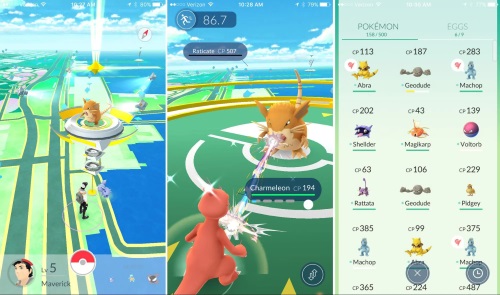
Ten years after its launch, Pokémon GO remains the most established real-world multiplayer game. The basic routine is simple: walk along neighborhood sidewalks, spin PokéStops at local landmarks for supplies, and catch wild Pokémon that appear on your path.
Its biggest advantage is its large player base. On Community Days, Raid Hours, and Go Fest weekends, public gardens and shopping centers fill with other trainers. If you want to join a raid or meet other players during a walk, you are more likely to find them here than in any other GPS game.

Its main drawbacks are repetitive routines and uneven map coverage. Once you understand the Gym and catching systems, the daily tasks can feel repetitive. Raid passes and event tickets also add up, while players in small towns may find very few PokéStops, Gyms, or wild spawns.
2 Monster Hunter Now: Fast Action on the Go
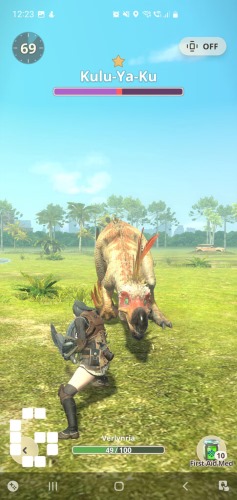
Capcom and Niantic turned the hunting franchise into short fights that usually last about 75 seconds. As you walk through town, different map areas reveal wyverns and other monsters for you to hunt. You need to dodge attacks, charge weapons, and choose gear for each monster. Paintballs let you mark large monsters during a walk and fight them later from home with friends.
The main limit is healing items. Free players receive only five recovery potions each day. Taking too many hits from high-level monsters can stop you from continuing until you spend money or wait for the next daily reset.
3 Pikmin Bloom: The Relaxed Step Companion
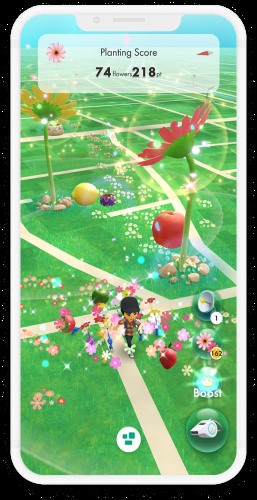
If competitive Gym battles and fast reflex dodging sound stressful, Pikmin Bloom is one of the least demanding GPS games. There are no timers, no health bars, and no combat pressure.
As you walk, the game plants colorful flowers along your route and records the trail on its map. Seedlings grow into Pikmin wearing outfits based on where you found them, such as a bakery or train station. At the end of the day, the app puts your steps, photos, and mood into a record of that day's walk. The game has fewer strategic choices than the other titles here. If you want tactical battles or long-term team competition, the flower-planting routine may feel repetitive after a few weeks.
4 Ingress: Landmark Faction Warfare
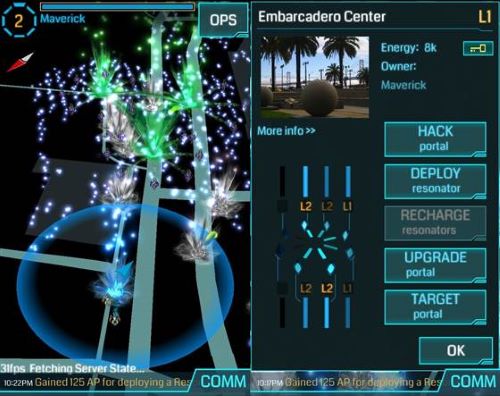
Before Pokémon GO existed, Ingress was one of the first major GPS games. In 2026, Niantic Spatial's game has two global factions—the Enlightened and the Resistance—that compete to control territory. Players travel to Portals at public art installations, historical plaques, and monuments. After hacking Portals and collecting their keys, you can link three Portals to create a triangular Control Field over the area between them. The game is built around route planning and team coordination.
New players need time to learn the Portal, key, and linking systems. Ingress also works best with local teammates in team chats. If the other faction controls most Portals near you, playing alone can be frustrating.
5 Orna RPG: Old-School Fantasy Without Paywalls
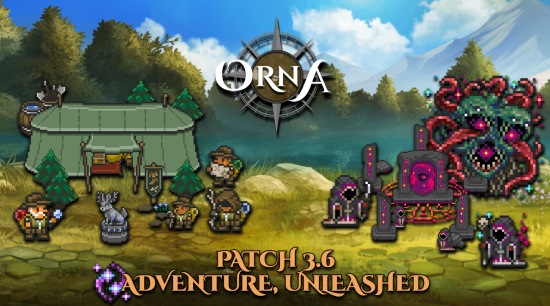
Orna is an indie turn-based RPG from Northern Forge Studios that uses classic JRPG systems. Your streets and neighborhoods become a fantasy kingdom filled with pixel-art monsters, NPC quest givers, hidden dungeons, and regional bosses.
Orna does not use stamina bars, gacha mechanics, or pay-to-win barriers. You can battle bosses, unlock dozens of character classes, and expand your kingdom by playing and exploring instead of buying power. Progress is slower than in a short-session action game. You need repeated battles and patient walking to gain levels and find rare weapons, and the game uses retro 8-bit graphics instead of 3D visuals.
6 Geocaching: Real-World Treasure Hunting
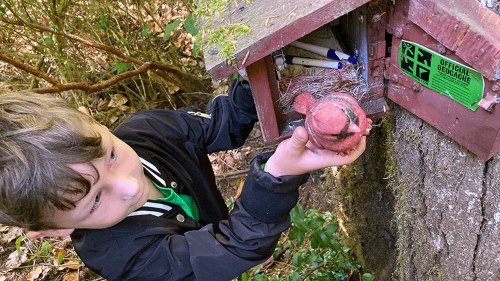
Geocaching started before modern smartphone apps and is still active today. The goal is physical: use GPS coordinates and clues to find weatherproof containers hidden by other explorers. More than 3.4 million active geocaches are spread across parks, city streets, and mountain trails worldwide. When you find one, you sign its paper logbook, trade a small item if the cache allows it, and hide the container in the same place for the next person.
The free tier covers basic cache hunting. Advanced cache types and offline maps require an annual Premium subscription of roughly forty dollars. You also need to follow clues and search the area instead of simply tapping a screen.
7 Soundmap: Neighborhood Music Drops
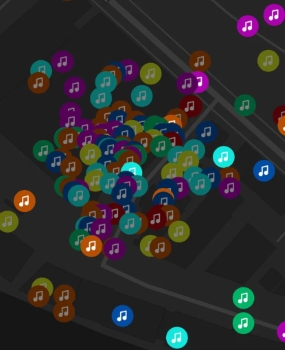
Soundmap is a music-collection game. You collect songs instead of creatures, and Drops appear on the map as you walk through city streets. The songs cover hip-hop, pop, rock, and indie genres. The main progression system is song rarity. Epic and Shiny versions are harder to find, and the in-app trading system lets you exchange duplicate songs with other collectors to complete album badges.
Drops appear more often in dense cities and shopping districts. Rural roads and quiet suburban streets usually offer fewer of them.
Quick Comparison: Effort, Screens, and Playability
Before installing, consider how each game fits your daily routine. Some require frequent screen checks during a walk, while others can run with your phone in your pocket.
| Game | Primary Focus | Screen Attention | Rural Playability | Free-to-Play Limits |
|---|---|---|---|---|
| Pokémon GO | Creature catching and raids | Moderate to high | Sparse without local stops | Raid passes and bag storage caps |
| Monster Hunter Now | Fast reflex combat | High during 75s fights | Moderate with biome rotation | Limited to 5 free potions daily |
| Pikmin Bloom | Relaxed flower trails | Very low (background) | Good for ordinary walking | Few paid gameplay limits |
| Ingress | Territory and field strategy | High while linking portals | Difficult without public landmarks | Generous, cosmetic focus |
| Orna RPG | Classic turn-based battles | Moderate | Very good (spawns follow player) | No paywalls or stamina bars |
| Geocaching | Physical container hunting | Low during walk, high at spot | Excellent in parks and woods | Premium needed for advanced caches |
| Soundmap | Song collecting and trading | Moderate | Poor outside city cores | Trade token limits and drop cooldowns |
How to Play When You Cannot Head Outside
Extreme weather, late-night hours, health limits, or living far from the nearest PokéStop can make outdoor play difficult. A location changer can simulate a route on your phone while the phone stays connected to your computer.
PoKeep Location Changer connects to the phone through a Windows PC or Mac and changes the coordinates reported by the device. Official apps installed from the App Store or Google Play can then receive those simulated coordinates as the phone's current location. Check each game's rules before using simulated movement.


How to Set a Virtual Walking Route
Use these three steps to create a steady walking route on the map:
Step 1. Install PoKeep Location Changer on a Windows PC or Mac.

Step 2. Connect your iPhone or Android phone to the computer with a USB cable. On Android, select Game Mode if your game is listed there; otherwise, use Universal Mode.
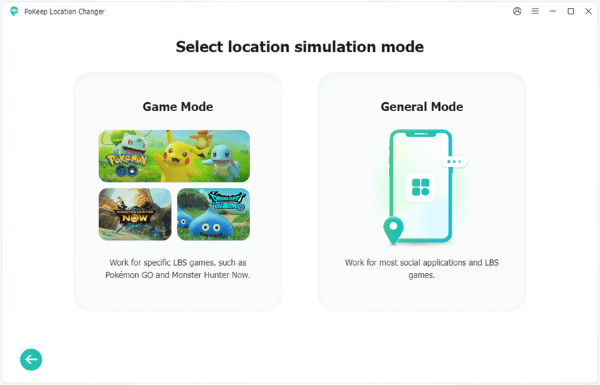
Step 3. Open the map. Choose Joystick Mode to move the location marker manually, or Multi-Spot Mode to create a route through several points. Set the speed between 3.6 km/h and 6 km/h, then start the route.

Frequently Asked Questions
Can you play GPS games without leaving the house?
Standard gameplay expects you to move outdoors before map objects and wild spawns appear. Monster Hunter Now lets you paintball encounters and fight them later from home, while Orna generates dungeons near your home base. For games that require constant walking, a computer-based location changer can simulate a route when weather or health keeps you indoors.
Why do GPS games drain phone batteries so quickly?
GPS games use battery because they keep the screen, GPS, mobile data, and graphics active at the same time. Lower the screen brightness, turn off camera-based AR when the game allows it, and carry a power bank for longer walks.
Is a pedometer app the same as a GPS game?
No. Pedometer games like Walkr or WalkScape solely track step counts using internal motion sensors and do not care where you are located. Real GPS games like Pokémon GO and Ingress require your device to reach specific geographic coordinates to trigger in-game events.
Why are rural areas empty in most location games?
Developers populate game maps using historical databases of public artwork, historical markers, parks, and transit stations. Because small towns and rural roads have fewer recognized public landmarks, game maps have sparse supply stations and monster spawns compared to dense metropolitan centers.
GPS games add digital tasks to ordinary walks. Choose Pokémon GO for a large community, Monster Hunter Now for short battles, Pikmin Bloom for relaxed walking, Orna for turn-based RPG play, Ingress for territory control, Geocaching for physical treasure hunting, or Soundmap for song collecting. If weather, health, or sparse map locations keep you indoors, PoKeep Location Changer can simulate a route while your phone remains connected to a computer.
 Related Articles
 Leave Your Comment